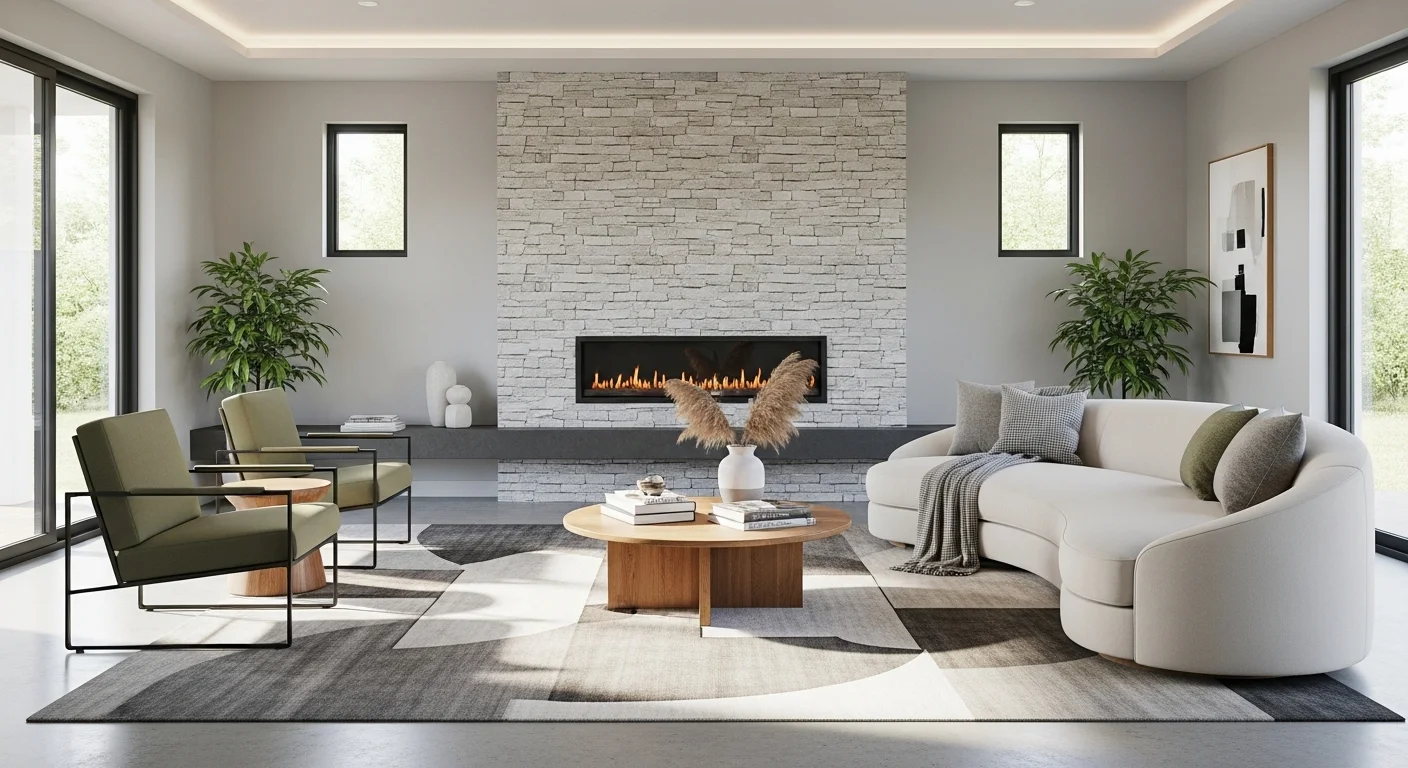
Let’s be honest for a second.
You walk into your living room, look at the sofa sitting there, and feel… nothing. It’s fine. It works. But it doesn’t wow you. It doesn’t make guests stop and say “Oh wow, where did you get this?”
That feeling? That’s exactly why sofa design for living rooms matters more than most people think.
A sofa isn’t just a place to sit. It’s the centerpiece of your entire living space. Get it right, and the whole room comes alive. Get it wrong, and even the most expensive wallpaper won’t save you.
So let’s talk about it — properly, simply, like two people who actually care about making a home feel like home.
Why the Sofa Is the Most Important Piece of Furniture in Your Living Room
Think about it this way.
When someone walks into your living room, where do their eyes go first? Not the curtains. Not the ceiling light. Their eyes land on the sofa. Every single time.
The sofa sets the mood for the whole room. If it’s warm and plush, the room feels cozy. If it’s sleek and structured, the room feels modern and put-together. If it’s mismatched and worn out, even your beautiful side table can’t rescue it.
Interior designers always say: design your living room around your sofa, not the other way around. That’s how important this one piece is.
And here’s the thing most people get wrong — they think a good sofa design means spending a ton of money. That’s not true at all. It’s about making the right choice, not the most expensive one.
The Different Types of Sofa Designs for Living Rooms (And Which One Is Right for You)
There’s no “one size fits all” when it comes to sofa design. Your room size, your lifestyle, your color preference — all of this plays a role. Let’s break it down simply.
1. The L-Shaped Sofa (Sectional)
This one’s a crowd favorite, and for good reason.
An L-shaped sofa is perfect if you have a medium to large living room and love having people over. It wraps around a corner and creates this natural gathering spot. Families love it. Movie nights were invented for it.
The trick? Make sure the longer side faces the TV or the focal point of the room. And don’t push it too far into the corner — leave a little breathing room between the sofa and the wall. That small gap makes the room look way more intentional.
Best for: Family homes, open-plan living rooms, people who love lounging.
2. The 3-Seater Classic Sofa
Simple. Timeless. Never goes out of style.
A 3-seater sofa is the most versatile sofa design for living rooms of almost any size. It doesn’t dominate the space, it pairs beautifully with armchairs, and it works in both traditional and modern setups.
If you’re unsure what to go with, start here. You can always build around it later — add a coffee table, throw pillows, a side chair — and the room will grow into something beautiful over time.
Best for: Apartments, compact living rooms, people who prefer a cleaner look.
3. The Chesterfield Sofa
Now we’re talking character.
A Chesterfield is that deep-buttoned, rolled-arm sofa that screams old-money elegance. It’s bold. It’s dramatic. And when done right, it transforms a living room into something that looks like it belongs in a magazine.
Traditionally seen in leather (usually dark brown or oxblood red), but modern versions come in velvet, fabric, and even pastel shades. A velvet Chesterfield in deep green or dusty blue is one of the most stunning sofa design choices you can make for a living room right now.
Just one thing — this sofa has a strong personality. Let it be the star. Keep the rest of the room relatively simple.
Best for: Those who love dramatic, luxurious interiors.
4. The Low-Profile Modern Sofa
Sleek. Clean. Minimal.
If you’re into that Scandinavian or Japanese-inspired interior style, a low-profile sofa with straight lines and thin legs is your best friend. It sits close to the ground, creates a sense of spaciousness, and looks incredibly sophisticated without trying too hard.
This style of sofa design works especially well in small living rooms because the low silhouette doesn’t visually crowd the space. Pair it with a light-colored rug and some greenery, and you’ve got a room that feels peaceful and organized.
Best for: Small apartments, minimalist aesthetics, modern homes.
5. The Curved Sofa
Something a little unexpected.
Curved sofas have been having a major moment recently, and honestly, it makes sense. In a world full of straight lines and sharp corners, a curved sofa brings softness and movement into the living room.
They’re not the easiest to style around, but when you get it right, the result is stunning. Place a curved sofa in the center of the room (not against a wall) to really let it shine. Add a round coffee table in front of it, and you’ve got something that looks genuinely special.
Best for: Bold, artistic interiors; larger living rooms; people who want something unique.
Sofa Colors: How to Pick the Right One Without Losing Your Mind
Color is where a lot of people freeze up. And I get it — you’re committing to something that’s going to sit in your living room for years.
Here’s a simple way to think about it.
If your walls and floors are neutral (white, beige, grey, cream): You can go bold with the sofa. Think terracotta, forest green, mustard yellow, navy blue, or even burnt orange. These colors instantly make the room feel alive and curated.
If your walls already have color or pattern: Stick with a neutral sofa. Charcoal grey, warm beige, off-white, or even a soft oatmeal shade. The sofa becomes the steady base that lets everything else breathe.
Pro tip from designers: Warm tones (terracotta, rust, camel) make a room feel cozy and grounded. Cool tones (grey, blue, sage green) make a room feel airy and calm. Pick based on the feeling you want, not just the color you like.
And please — don’t be scared of color. A dusty rose velvet sofa sounds intimidating. In practice, it looks incredible.
Sofa Fabrics: What Actually Holds Up in Real Life
Looks matter. But so does practicality. Especially if you have kids, pets, or a partner who spills coffee approximately three times a week.
Here’s the honest breakdown:
Velvet: Gorgeous, luxurious, and softer than anything. But it can be high-maintenance — it shows imprints and can be tricky to clean. Best for adults-only living rooms.
Linen/Cotton Blend: Light, breathable, casual. Great for bright, airy rooms. Not the best choice if spills are a regular occurrence in your household.
Microfiber: The practical hero. Easy to clean, surprisingly soft, durable. Not as glamorous as velvet, but you’ll thank yourself when the kids decide to turn the sofa into an art project.
Leather: Classic and durable. Gets better with age. Pet claws are its one weakness. But if you don’t have pets, a leather sofa is one of the smartest long-term investments you can make.
Performance Fabric (like Crypton): The newest player in the game. Looks like regular fabric, acts like a superhero shield against stains, moisture, and everyday wear. If you have a busy household, performance fabric is the future of sofa design.
Sofa Design for Small Living Rooms: Making It Work
Small space? Don’t panic.
A lot of people think a small living room means they have to settle for a tiny, uncomfortable sofa. That’s completely wrong. You just need to be smarter about how you choose.
Rule #1: Avoid heavy, overstuffed sofas. They eat up visual space and make a small room feel claustrophobic.
Rule #2: Go for legs. A sofa with visible legs — even just 4-6 inches off the ground — creates the illusion of more floor space. It’s a simple trick that works every single time.
Rule #3: Light colors open up the room. A cream or light grey sofa in a small living room makes the space feel at least 20% bigger. Not scientifically proven, but you’ll believe it when you see it.
Rule #4: Consider a compact 2-seater + single armchair combo instead of a 3-seater. It takes up less space while still giving you plenty of seating. And honestly, it often looks more stylish.
Small doesn’t mean sad. Small means intentional. Work with it.
How to Arrange Your Sofa in the Living Room
Here’s something nobody tells you: even the best sofa in the world can look wrong if it’s placed incorrectly.
Sofa placement is everything.
The Most Common Mistakes:
- Pushing the sofa against the wall. This is the most frequent mistake people make. It makes the room look like a waiting room. Pull the sofa at least 12-18 inches away from the wall. The room will feel instantly more designed.
- Ignoring the focal point. Your sofa should face or angle toward the room’s focal point — whether that’s the TV, a fireplace, a window with a great view, or a feature wall. Everything should point toward that anchor.
- Blocking natural light. Don’t place the sofa in front of a window. You’ll lose light and the sofa will look dark and shadowy from the outside. Place it perpendicular to the window instead.
The Golden Triangle Rule
Interior designers swear by this. Arrange your sofa, coffee table, and one or two chairs in a triangular formation. This creates a natural conversation zone that feels both functional and visually balanced.
It sounds fussy, but it works. Try it.
Throw Pillows and Cushions: The Secret Weapon of Sofa Styling
Okay, here’s where you can really have fun.
Throw pillows are like jewelry for your sofa. The right ones can completely transform how the sofa — and the room — looks.
The Rule of Odd Numbers: Style in groups of 3, 5, or 7 pillows. Odd numbers always look more natural and relaxed than even numbers.
Mix textures, not just colors: Try combining a velvet cushion, a woven one, and a cotton one. The variety in texture makes the arrangement look intentional and layered, not matchy-matchy.
The 60-30-10 rule for pillow colors: 60% your dominant color (matches or complements the sofa), 30% a secondary color, 10% an accent pop. This ratio keeps things balanced without being boring.
Don’t overthink it. Sometimes you find a pillow at a market or a small shop, and it just works. Trust that instinct. Not everything needs to be planned to the millimeter.
Living Room Sofa Trends That Are Actually Worth Following
Not every trend is worth chasing. Some look amazing for a year and then feel dated. But these current sofa design trends for living rooms have some staying power.
Earth Tones Are Dominating. Terracotta, warm browns, sandy beige, olive green. These shades feel grounded, warm, and timeless. They work across multiple design styles — from bohemian to Scandinavian to maximalist.
Boucle Is Everywhere (And For Good Reason). Boucle fabric — that soft, loopy, textured material — has taken over the furniture world. A boucle sofa looks effortlessly luxurious and adds incredible texture to a living room without needing any other decoration.
Modular Sofas Are Getting Smarter. Build your own sectional, rearrange it whenever you want, add or remove pieces as your life changes. Modular sofa systems are perfect for people who move frequently or just love changing things up.
Fluted and Curved Details Are Coming Back. Fluted legs, rounded arms, soft curved silhouettes — these architectural details are making sofas look more handcrafted and intentional. It’s a quiet sophistication that works in almost any setting.
Budget Guide: What to Expect at Different Price Points
Let’s be real about money.
Under $500: You can find decent sofas at this price point, but manage expectations. Quality will be limited, fabrics won’t be as durable, and the frames may not last more than a few years. Fine for a temporary setup or a rental apartment.
$500 – $1,500: This is the sweet spot for most people. At this range, you start getting solid frames, better quality fabrics, and more design variety. Look for brands that offer good warranties and test the cushion density before buying.
$1,500 – $3,000: You’re in quality territory. Sofas at this range often have hardwood frames, higher-density foam, and more fabric options. These are built to last 10+ years.
$3,000+: Heirloom quality. Custom options, premium fabrics, handcrafted frames. If you’re investing at this level, make sure the design is something you’ll love for decades.
One real-life example: A friend bought a $400 sofa for her first apartment. Within two years, the cushions had flattened, the fabric had pilled, and the frame was creaking. She then spent $1,200 on a replacement — so in total, she spent $1,600 for what one good $1,000 sofa could have provided. Buy once, buy right.
Sofa Care: Making Your Investment Last
You’ve picked the perfect sofa. Now keep it that way.
- Rotate and flip cushions regularly. If your cushions are removable, flip and rotate them every few weeks. It prevents uneven wear and keeps the shape for longer.
- Vacuum weekly. Yes, weekly. Dust, crumbs, and pet hair accumulate faster than you think. A quick vacuum keeps the fabric looking fresh.
- Deal with spills immediately. Blot, don’t rub. Rubbing pushes the stain deeper into the fabric. A clean cloth and cold water handles most spills effectively.
- Keep it out of direct sunlight. Prolonged sun exposure fades fabric and dries out leather. Use curtains or UV-protective window film if your living room gets a lot of afternoon sun.
- Professional cleaning once a year. For fabric sofas, an annual professional steam clean makes a remarkable difference. It refreshes the color, removes deep-set dirt, and extends the life of the fabric significantly.
Putting It All Together: A Simple Checklist Before You Buy
Before you finalize your sofa decision, run through this:
- [ ] Does the size fit my living room without crowding it? (Measure twice!)
- [ ] Does the style match or complement my existing furniture?
- [ ] Is the fabric practical for my lifestyle (kids, pets, spill-prone household)?
- [ ] Have I sat on it and tested the comfort — cushion firmness, back support, seat depth?
- [ ] Do I actually love it, or am I just settling?
That last one matters more than any other point on this list. You’re going to live with this sofa every single day. Don’t settle for “it’s fine.” Find the one that makes you genuinely happy when you look at it.
Final Thoughts: Your Living Room Deserves Better
Your home is where you come back to at the end of a long, exhausting day. It should feel like you. It should feel good.
The sofa is your living room’s best chance at doing that. It’s not just furniture — it’s where you have your morning coffee, where your kids climb all over you, where you have long conversations with friends, where you rest.
Give that piece the attention it deserves. Take your time. Don’t rush the decision. Walk through showrooms. Sit in the sofas. Touch the fabrics. Imagine them in your space.
And when you find the right one — you’ll know. It won’t just look good. It’ll feel like home.
FAQ — Sofa Design for Living Rooms
Q1: How do I choose the right sofa size for my living room? Measure your living room carefully and leave at least 18 inches of walkway space around the sofa. As a general rule, your sofa should take up about two-thirds of the wall it faces. For small rooms, a 2-seater or compact 3-seater works best. For large rooms, an L-shaped sectional or 3-seater with armchairs gives you better coverage and balance.
Q2: What sofa color is most versatile for living rooms? Warm neutrals like camel, sand, warm grey, and cream are the most versatile because they pair with almost any wall color and decor style. If you want something with more personality, forest green and navy blue are bold but surprisingly easy to style around.
Q3: Is a fabric or leather sofa better for a family with kids? For families with young children, performance fabric or microfiber is usually the better choice. It’s easier to clean, more stain-resistant, and generally more forgiving than standard fabric or leather. If you prefer leather, opt for full-grain leather — it’s more durable and actually easier to wipe clean than bonded leather.
Q4: How far should my sofa be from the TV? The ideal distance between your sofa and TV depends on the screen size. A general guide: multiply your TV screen size (in inches) by 1.5 to get the minimum viewing distance in inches. For a 55-inch TV, that’s about 82 inches (roughly 7 feet). Sitting too close leads to eye strain; too far and you lose the immersive experience.
Q5: Can a dark sofa work in a small living room? Yes, but it needs to be handled carefully. A dark sofa in a small room can feel heavy if everything else is also dark. Balance it with light walls, a light-colored rug, and plenty of natural light. Strategic lighting — floor lamps, table lamps — also helps lift the visual weight of a dark sofa and makes a small room feel more dynamic rather than cave-like.