You’ve probably typed this question into Google late at night: how many glasses of water a day to lose weight?
Maybe you just finished a workout. Maybe you saw a friend’s before-and-after photo and thought, “Wait, she just drinks more water?”
I get it. The internet is full of confusing numbers. Eight glasses. Ten glasses. Half your body weight in ounces. It’s a mess.
So let’s clear this up together, like I’m sitting across from you with a cup of tea, not lecturing from a textbook.
By the end of this article, you’ll know exactly how many glasses of water a day to lose weight, how to make it a habit that actually sticks, and why your body responds so well to something this simple.
Why Water and Weight Loss Are Best Friends
Here’s the thing nobody tells you plainly: your body cannot burn fat properly without enough water.
Fat burning is a chemical process. It needs water to work well, the same way your car needs oil to run smoothly.
According to the Mayo Clinic, your body loses water every day through breathing, sweat, and normal bodily functions, so you have to replace it through food and drinks to keep everything working the way it should. When you skip that replacement, your whole system slows down, including your metabolism. mayoclinic
And research on hydration and weight loss shows that water plays a real role in digestion and muscle function, both of which matter when you’re trying to lose weight. healthline
There’s also a psychological piece here. Thirst and hunger use similar signals in your brain. So a lot of “hunger” you feel during the day might just be your body asking for water, not food.
That single mix-up alone causes a lot of unnecessary snacking.
So, How Many Glasses of Water a Day to Lose Weight?
Let’s answer the main question directly, because you didn’t come here for a long intro.
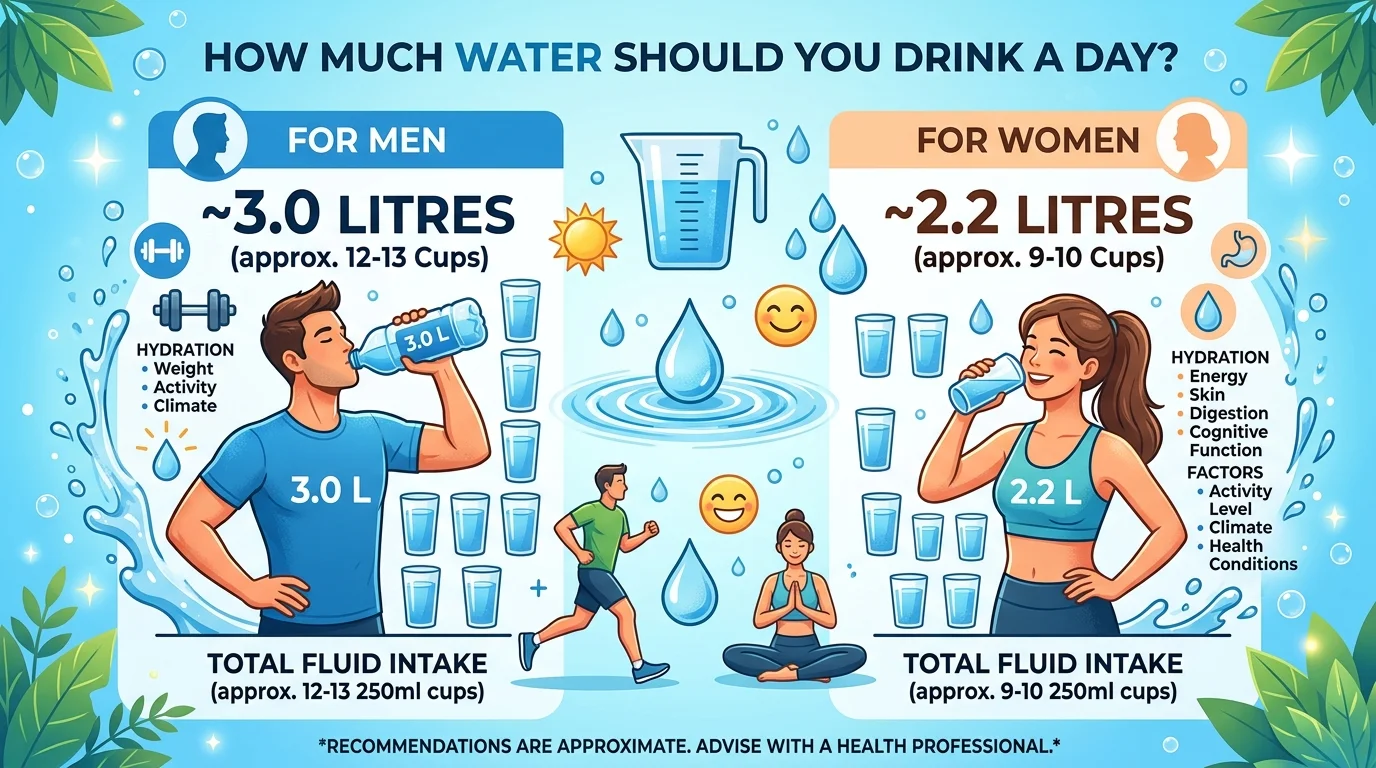
The general answer: 8 to 12 glasses of water a day (about 2 to 3 liters) supports weight loss for most healthy adults.
That said, this isn’t a magic number carved in stone. Your actual need depends on a few personal factors:
- Your body weight
- Your activity level
- The climate you live in
- How much water-rich food you already eat
The CDC notes that drinking enough water every day supports overall health, and choosing water over sugary drinks is one of the simplest ways to cut extra calories from your day. cdc
For a simpler starting point, think of it this way: aim for one glass of water every hour or two you’re awake. That naturally lands most people in the 8 to 10 glass range.
A Quick Personal Formula
If you want something more tailored to your own body, try this:
- Take your body weight in pounds.
- Divide it by 2.
- That number is roughly how many ounces of water you should drink daily.
So if you weigh 150 pounds, that’s about 75 ounces, which is close to 9 to 10 glasses.
If you weigh 200 pounds, that jumps closer to 12 glasses.
Simple, right? No complicated app or calculator needed.
Why “8 Glasses a Day” Isn’t Wrong, But Isn’t Complete Either
You’ve heard the old “8×8 rule” — eight 8-ounce glasses a day. It’s easy to remember, and it’s not a bad starting point.
But it was never really built around weight loss specifically. It was just a general wellness guideline.
When your goal is losing weight, you usually need a bit more than the basic 8 glasses, especially if you exercise, live somewhere hot, or eat a lot of salty or processed food.
Think of 8 glasses as your floor, not your ceiling.
How Water Actually Helps You Lose Weight
Let’s break this down into pieces you can actually picture and use in real life.
1. It Fills You Up Before Meals
Drinking a glass of water about 20 to 30 minutes before eating can genuinely reduce how much food you eat.
Your stomach senses that fullness and sends a “slow down” signal to your brain. This is one of the easiest, most beginner-friendly weight loss tricks out there.
Try this tonight: drink one full glass of water before dinner. See if you naturally eat a little less without even trying.
2. It Cuts Down on Liquid Calories
This one is sneaky.
A lot of people don’t count their drinks as “food,” but soda, sweetened coffee, juice, and energy drinks can add hundreds of hidden calories a day.
Swap even two of those drinks for water, and over a month, that adds up to a noticeable difference on the scale.
3. It Supports Your Metabolism
Water plays a part in something called thermogenesis, which is basically your body burning a small number of calories to process what you drink.
It’s not a massive effect on its own. But paired with good eating habits, it adds a small, steady push in the right direction.
4. It Reduces Water Retention (Yes, Really)
This one surprises people.
When you don’t drink enough water, your body tends to hold onto the water it has, out of self-protection. That’s why you sometimes feel puffy or bloated when you’re dehydrated.
Drinking consistent water tells your body it’s safe to let go of that extra stored fluid.
5. It Keeps Your Energy Up for Workouts
Even mild dehydration can make you feel tired, foggy, or unmotivated.
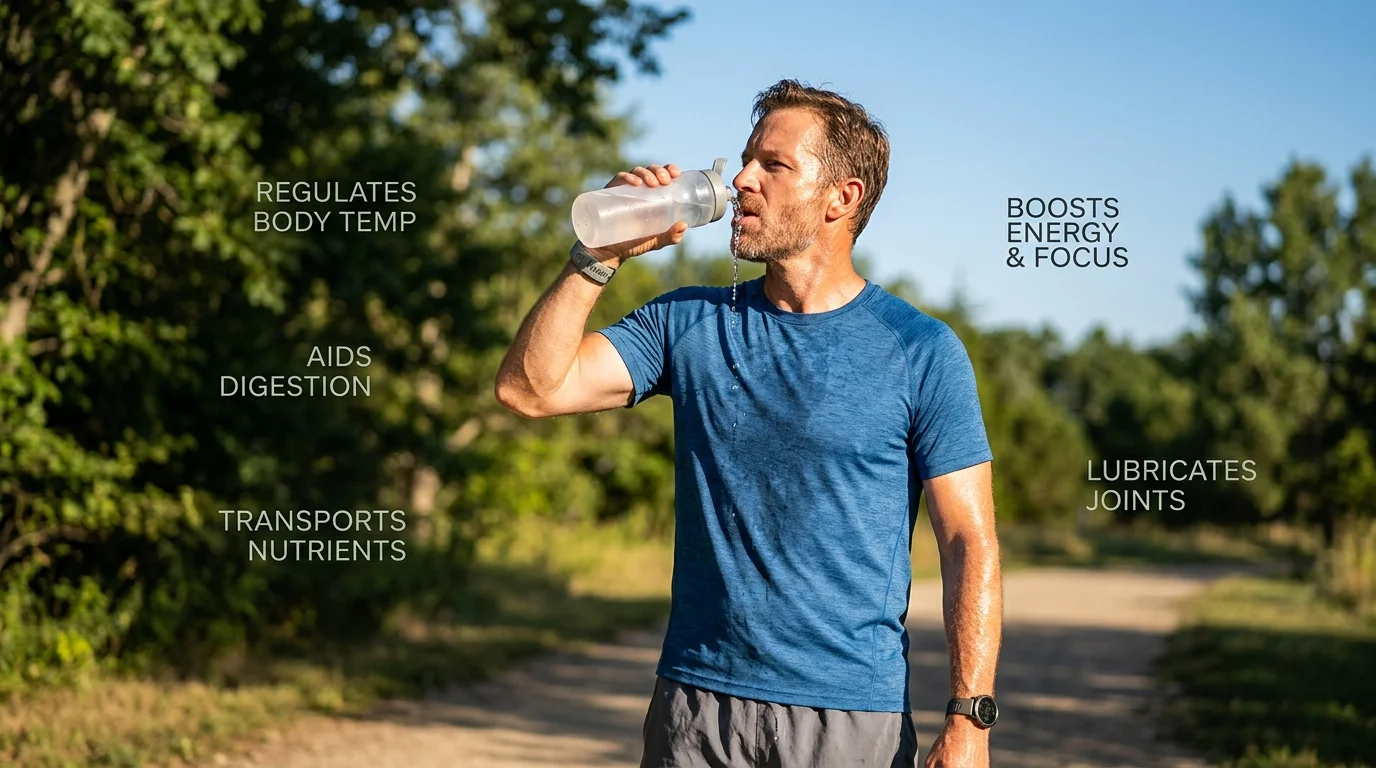
If you’re trying to stay active to lose weight, water is what keeps your muscles working properly during exercise.
Best Times to Drink Water for Weight Loss
Timing isn’t everything, but it does help.
Here are a few practical windows where drinking water makes the biggest difference:
- Right after waking up — your body is naturally dehydrated after sleep
- 20–30 minutes before meals — helps control portion sizes
- Before and after exercise — replaces what you sweat out
- Anytime you feel a random craving — check if it’s actually thirst first
You don’t need to obsess over the clock. Just build these little checkpoints into your day, and the habit takes care of itself.
Signs You’re Not Drinking Enough Water
Sometimes your body tells you before your brain notices. Watch for:
- Dark yellow urine (pale yellow is the goal)
- Headaches for no clear reason
- Dry lips or mouth
- Feeling tired even after sleeping well
- Constant, unexplained hunger
If you notice two or three of these, it’s usually a sign to drink more, not eat more.
Does the Type of Water Matter?
Not really, in terms of weight loss. Plain water, sparkling water, or infused water with lemon and cucumber all count.
If plain water feels boring, add:
- A few lemon slices
- Fresh mint leaves
- Cucumber slices
- A splash of unsweetened berry juice
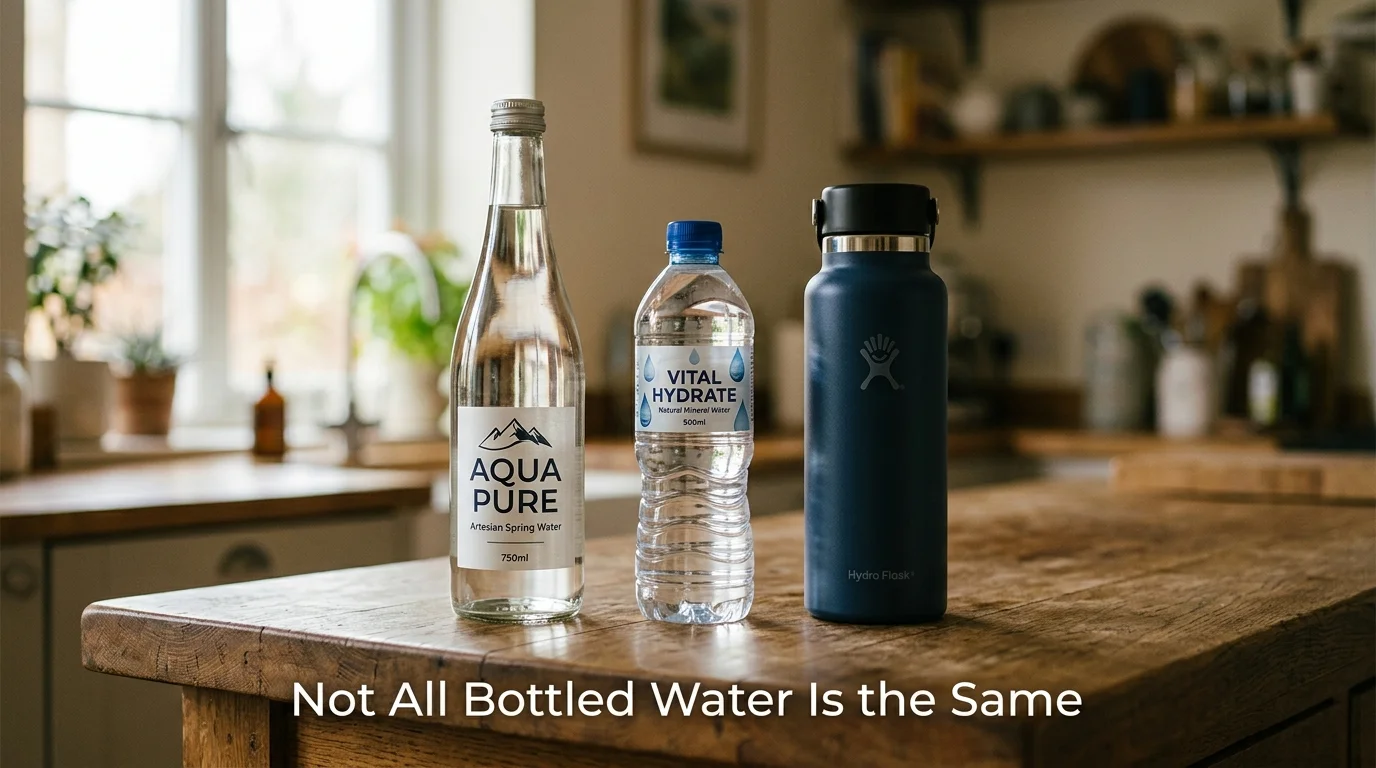
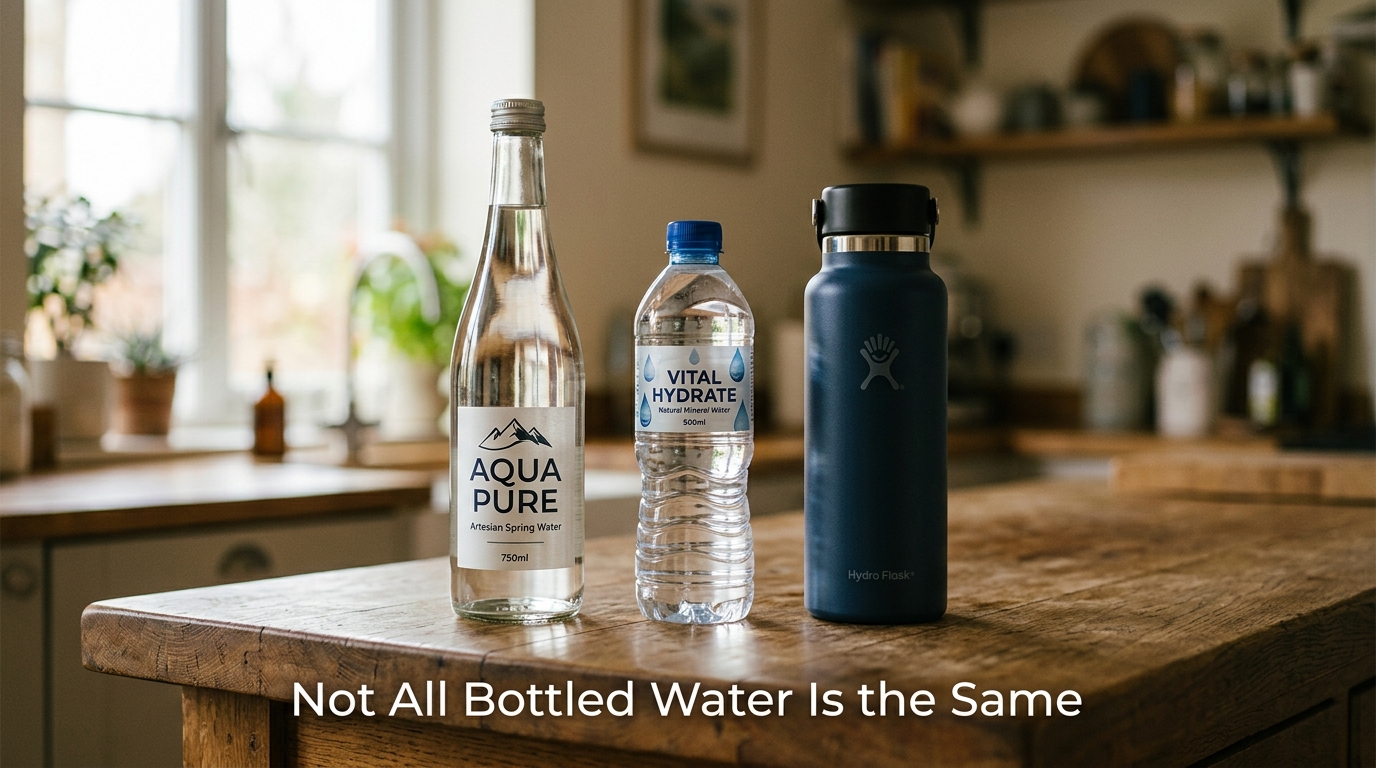
If you’re curious about which bottled options are actually worth buying, this guide on choosing the best bottled water to drink breaks it down in plain terms.
Can You Drink Too Much Water?
Yes, though it’s rare and usually happens with extreme amounts in a short time.
For most people going about a normal day, drinking too much water isn’t a real concern. Your kidneys are built to handle fluctuations.
Just spread your intake across the day instead of chugging a huge amount at once. That’s easier on your stomach and more effective anyway.
A Simple Daily Water Schedule You Can Actually Follow
Here’s a friendly, no-pressure plan. Adjust it to fit your day.
Morning
- 1 glass right when you wake up
- 1 glass with breakfast
Midday
- 1 glass before lunch
- 1–2 glasses between lunch and dinner
Evening
- 1 glass before dinner
- 1 glass after dinner (skip if it disrupts your sleep with bathroom trips)
Around exercise
- 1 glass before
- 1 glass after
That’s already 7 to 8 glasses without much effort. Add one or two more depending on your body size and activity.
If you want a deeper breakdown built specifically around your body weight, this guide on daily water intake for weight loss walks through it step by step.
Common Mistakes People Make With Water and Weight Loss
Let’s talk about a few traps that quietly slow people down.
Mistake 1: Drinking All Your Water at Once
Chugging a liter in five minutes doesn’t help more than spreading it out. Your body can only absorb so much at a time.
Mistake 2: Replacing Meals With Water
Water fills your stomach, but it doesn’t replace the nutrients your body needs. Use it to support your meals, not skip them.
Mistake 3: Forgetting Water-Rich Foods
Cucumbers, watermelon, oranges, and soups all count toward your daily fluid intake. You don’t need to get every ounce from a glass.
Mistake 4: Ignoring Ounces vs. Glasses Confusion
A “glass” isn’t a fixed legal size. Most nutrition guides assume 8 ounces per glass, so keep that in mind if you’re using a measuring cup or bottle with different markings. If you’d rather think in ounces instead of glasses, this simple breakdown of daily ounces makes the math painless.
Real-Life Example: How Small Changes Add Up
Picture someone named Rima. She works a desk job, drinks two cups of coffee a day, and barely touches water outside of meals.
She starts small: one glass first thing in the morning, one before lunch, one before dinner.
Within two weeks, she notices she’s snacking less in the afternoon. Not because she’s forcing herself, but because she’s not mistaking thirst for hunger anymore.
That’s the real power of this habit. It’s not dramatic. It’s quiet and steady, the kind of change that actually lasts.
Does Cold Water Burn More Calories Than Room-Temperature Water?
There’s a small, real effect here. Your body uses a tiny bit of extra energy to warm up cold water to body temperature.
But we’re talking about a small number of calories, not a shortcut to major weight loss. Drink your water at whatever temperature helps you drink more of it consistently. That consistency matters far more than the temperature.
Building the Habit Without Feeling Like a Chore
The biggest reason people fail at drinking enough water isn’t lack of willpower. It’s forgetting.
Try these simple tricks:
- Keep a bottle on your desk, in your bag, and by your bed
- Set two or three phone reminders during the day
- Pair drinking water with something you already do, like checking email or waiting for coffee to brew
- Use a bottle with time markers if you like visual progress
None of this needs to be complicated. The goal is just to make water the easy, obvious choice throughout your day.
What About During Exercise or Hot Weather?
If you sweat a lot, whether from exercise or heat, add extra water beyond your normal daily amount.
A good rule of thumb: for every 20 to 30 minutes of moderate exercise, add another half glass to a full glass of water.
In hot, humid weather, your baseline daily amount should shift up too, sometimes by 2 to 4 extra glasses.
Bringing It All Together
So, back to the original question: how many glasses of water a day to lose weight?
For most healthy adults, 8 to 12 glasses a day is a solid, realistic target that supports weight loss without turning your life into a math problem.
Start where you are. If you’re currently drinking 2 or 3 glasses a day, don’t jump straight to 12. Add one or two extra glasses this week, then build from there.
Weight loss isn’t about one dramatic change. It’s about small habits, done consistently, that quietly stack up over weeks and months.
Water is one of the easiest habits to build because it costs nothing, takes no willpower once it becomes routine, and supports almost everything else you’re trying to do for your health.
Fill that glass. Your body will thank you for it.
Frequently Asked Questions
1. How many glasses of water a day should I drink to lose weight fast?
There’s no truly “fast” number, since sudden overhydration doesn’t speed up fat loss. Stick to 8–12 glasses daily and stay consistent, rather than trying to force a huge amount in a short time.
2. Is it better to drink water before or after meals for weight loss?
Before meals, ideally 20–30 minutes ahead. This helps you feel fuller and naturally eat a bit less.
3. Can drinking water alone make me lose weight without dieting?
Water supports weight loss, but it works best alongside balanced eating and regular movement. Think of it as one strong piece of the puzzle, not the whole picture.
4. How do I know if I’m drinking enough water?
Check your urine color. Pale yellow usually means you’re well hydrated, while dark yellow suggests you need more water.
5. Does drinking cold water help burn more fat?
It has a small, minor effect through extra calorie use to warm the water up, but it’s not a major fat-burning trick on its own.