Let me be real with you for a second.
You’ve rearranged your furniture. You painted the walls. You bought a new rug. But something still feels… off. The room doesn’t have that wow factor you see on Instagram or in those fancy home décor magazines.
Here’s the thing nobody tells you: it’s almost always the lighting.
And specifically? A well-chosen glass pendant light can do more for a room than a thousand-dollar sofa ever will. I’m not exaggerating. Lighting is the single most underrated design element in any home — and glass pendants are where function meets flat-out gorgeous.
So let’s talk about it. All of it. No fluff, no filler. Just everything you actually need to know.
What Even Is a Glass Pendant Light? (And Why Everyone’s Obsessed)
A pendant light is basically any light fixture that hangs from the ceiling by a cord, chain, or rod. Simple enough, right?
Now take that concept and make the shade out of glass — suddenly you’ve got something that catches the light, creates gorgeous shadows on your walls, and looks like actual art hanging in your room.
Glass pendant lights come in dozens of shapes, sizes, and finishes. Clear glass, frosted glass, colored glass, ribbed glass, smoked glass — the list goes on. And each one creates a completely different vibe in a space.
That’s exactly why they’re so popular. One fixture, endless personality.
The Different Types of Glass Pendant Lights (And Which One Is Right for You)
This is where people get overwhelmed. Don’t. Let’s break it down simply.
1. Clear Glass Pendant Lights
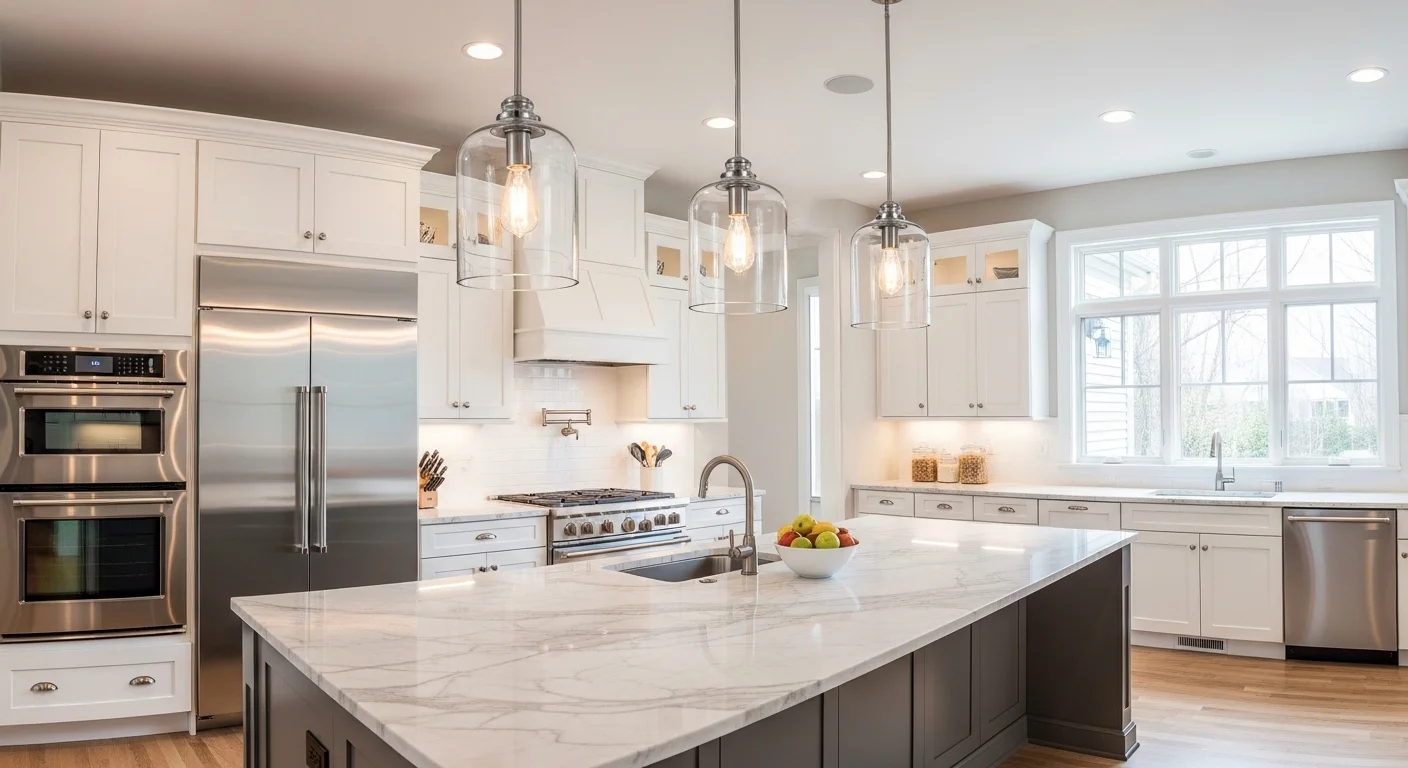
These are the classics. You can see straight through them, which means the bulb inside becomes part of the design.
Best for: Modern kitchens, minimalist living rooms, industrial loft spaces.
If you want that clean, airy look — like something you’d find in a Scandinavian home — clear glass pendants are your best friend. Pair them with Edison bulbs and you’ve got instant warmth and character.
2. Frosted or Milky White Glass Pendants
These diffuse the light so there’s no harsh glare. The glow is soft, even, almost dreamy.
Best for: Bedrooms, dining rooms, reading nooks, anywhere you want calm and cozy lighting.
My neighbor renovated her dining room last year and swapped out a cheap chandelier for three frosted glass globe pendants over her table. Her words? “It looks like a restaurant now.” And honestly, she’s right.
3. Colored Glass Pendants
Now we’re talking personality. Amber glass gives off warm, golden tones. Blue or green glass creates a moody, artistic feel. Even a subtle smoke-gray finish changes the entire character of a room.
Best for: Accent lighting, kitchens with strong color palettes, eclectic or bohemian interiors.
Pro tip: If you’re scared of color, start with amber or smoke. They’re warm and flattering, and they work with almost any existing décor.
4. Ribbed or Textured Glass Pendants
These are having a massive moment right now. The texture catches light in unpredictable ways, throwing tiny patterns across your walls and ceiling.
Best for: Anyone who wants visual interest without bold color. Great for transitional or contemporary spaces.
If you’ve seen those beautiful ribbed glass pendants all over Pinterest lately — yeah, they’re even better in person. The light through them is almost hypnotic.
5. Cluster or Multi-Light Glass Pendant Fixtures
This is when several glass shades hang at different heights from a single canopy. It looks incredibly dramatic and custom-designed.
Best for: High ceilings, open-plan living areas, above large dining tables or kitchen islands.
One fixture, maximum impact.
Where to Hang a Glass Pendant Light (Room by Room)
Let’s get practical. You’ve picked your style — now where does it go?
Kitchen Island
This is the number one spot for pendant lights, and for good reason. Hanging two or three matching glass pendant lights over a kitchen island does three things at once:
- It provides task lighting for cooking and food prep
- It visually defines the island as its own zone
- It adds personality to what’s often the most functional part of the kitchen
The rule of thumb: For a standard kitchen island, hang pendants so the bottom of the shade is about 30 to 36 inches above the countertop surface. That keeps the light useful without blinding anyone sitting at the island.
Dining Room
A glass pendant light (or a cluster of them) over your dining table is one of the most impactful design decisions you can make. It literally sets the mood for every meal, every conversation, every dinner party.
Important: The pendant should be centered directly over the table, and the bottom of the shade should hang about 28 to 34 inches above the tabletop. Go too high and you lose the intimate feel. Go too low and your tall uncle will bump his head.
Bedroom
A pendant bedside light is a game-changer. Instead of a table lamp eating up your nightstand space, hang a small glass pendant on each side of the bed.
It looks intentional. It looks luxurious. And suddenly your bedroom feels like a boutique hotel room.
Entryway or Foyer
First impressions matter. A striking glass pendant hanging in your entryway tells every guest exactly what kind of home they’ve just walked into.
Go bold here. This is the place for a statement piece — maybe a large clear globe pendant or a dramatic smoked glass fixture.
Living Room
Pendant lights in living rooms are trickier because most people default to floor lamps or recessed lighting. But if you have a defined sitting area or a reading corner, a glass pendant above it creates a beautiful focal point.
How to Choose the Right Size Glass Pendant Light
Getting the size wrong is the most common mistake people make. Here’s a simple way to get it right every time.
For a pendant over a table or island: The diameter of your pendant (or the combined span of a cluster) should be about 1/2 to 2/3 the width of the surface below it.
So for a 60-inch kitchen island, you’d want pendants with a combined visual width of 30 to 40 inches.
For a statement pendant in a room: Add the room’s length and width in feet. That number in inches is a good starting diameter. A 12×14 foot room? A 26-inch pendant works nicely.
For ceiling height:
- 8-foot ceilings: Keep it simple, no oversized fixtures
- 9-10 foot ceilings: Sweet spot for most pendant styles
- 12+ foot ceilings: Go big or go home — oversized pendants and multi-light clusters shine here
Glass Pendant Lights and Interior Design Styles: What Works With What
Not every pendant works with every style. Here’s a quick cheat sheet.
Modern/Minimalist: Clear glass globes, geometric shapes, simple hardware in matte black or brushed nickel.
Industrial: Clear glass with visible Edison bulbs, dark metal frames, cage-style pendants.
Coastal/Boho: Textured glass, amber tones, rattan mixed with glass, organic shapes.
Traditional/Classic: Frosted glass with brass or antique bronze hardware, teardrop shapes.
Scandinavian: Matte white glass, clean silhouettes, simple wooden or black metal details.
Eclectic: Honestly, this is where you get to break every rule. Mix a colored glass pendant with unexpected hardware and own it.
The Bulb Question: What Kind of Bulb Goes Inside a Glass Pendant?
This gets overlooked so often, and it genuinely matters.
LED Edison bulbs are the most popular choice for clear glass pendants. They’re warm (look for 2700K color temperature), energy-efficient, and they look stunning through transparent or lightly tinted glass.
Frosted or globe LED bulbs work beautifully with frosted glass shades — they create an even, glare-free glow.
Avoid cool-white or daylight bulbs (5000K and above) in most residential settings. They create a harsh, clinical light that kills the cozy atmosphere you’re trying to build.
And always — always — check the wattage limit on your fixture before buying bulbs. It’s usually printed inside the canopy or socket area.
Installation: Can You Do It Yourself?
Honestly? It depends on your comfort level with basic electrical work.
If you’re replacing an existing pendant or ceiling light fixture, it’s a pretty manageable DIY project. The wiring is usually straightforward: white to white, black to black, ground to ground.
But here’s my honest advice: If you have any doubt at all, hire an electrician. The fixture itself might cost $80. An electrician might cost $100-150 to install it safely. That extra cost is worth every penny for peace of mind — and for making sure it’s up to code.
If you’re adding a pendant where there’s currently no ceiling fixture at all, that’s a bigger job. You’ll need to run new wiring, which almost always means calling a professional.
Common Mistakes to Avoid When Buying a Glass Pendant Light
I’ve seen these mistakes made over and over again. Learn from other people’s headaches.
1. Buying without measuring first. A pendant that looks perfect online can look completely wrong in your actual space. Measure everything before you buy.
2. Ignoring the ceiling height. Long cord pendants in low-ceiling rooms create a cramped, dangerous situation. Always check adjustable cord length and plan accordingly.
3. Choosing style over light output. A gorgeous pendant that barely lights a room is frustrating. Check the lumens rating, not just the wattage.
4. Forgetting about the finish. The metal hardware (cord grip, canopy, socket) needs to match or intentionally contrast with other metals in your space — cabinet pulls, faucets, door handles. Mixing polished chrome with matte black by accident looks sloppy.
5. Going too small. This is the most common mistake of all. People are scared of going big and end up with a pendant that looks like it’s floating helplessly in a massive space. When in doubt, size up.
Glass Pendant Light Trends Right Now
Design moves fast, but some trends have serious staying power.
Ribbed glass is absolutely everywhere — and it deserves to be. The texture adds dimension without adding visual noise.
Smoked or tinted glass in warm amber or grey tones continues to trend because it adds sophistication without committing to bold color.
Oversized globe pendants over dining tables have replaced traditional chandeliers in many contemporary homes. One large, dramatic globe feels modern and confident.
Cluster pendants at varied heights create an artistic, sculptural effect that regular fixtures can’t replicate. They’re particularly stunning in open-plan spaces.
Mixed materials — glass combined with natural rattan, wood, or concrete — are huge in 2024 and going into 2025. The contrast between delicate glass and raw natural materials creates something genuinely interesting.
Care and Cleaning: Keeping Your Glass Pendant Looking Brand New
Glass shows dust and fingerprints more than most materials. But cleaning it is simple.
- Turn off the light and let it cool completely before touching anything.
- Use a microfiber cloth — dry for dust, slightly damp for smudges.
- For stubborn water spots or grime: A little white vinegar diluted in water on a microfiber cloth works beautifully on glass.
- Never spray cleaner directly onto the fixture. Spray it on the cloth first.
- Avoid abrasive sponges or scrubbers — they’ll scratch the glass surface.
Wipe down monthly and do a deeper clean every few months. That’s all it takes.
How Much Should You Spend? A Realistic Budget Guide
Glass pendant lights exist at every price point. Here’s what you get at each level.
Under $50: You’ll find simple, functional options. Quality can be hit or miss. Fine for rentals or temporary spaces.
$50–$150: This is the sweet spot for most buyers. Good quality glass, solid hardware, and decent design options. Most of the mid-market options people love live here.
$150–$400: You start getting into statement pieces — unique designs, higher-quality glass, better finishes that won’t chip or tarnish.
$400 and above: Artisan-made, designer fixtures. These are investments. But if you’re renovating a forever home and you’re building around a hero fixture, these are worth considering.
My honest take? You don’t need to spend a fortune. A $100–$150 glass pendant from a reputable brand can look genuinely stunning in the right space. Spend the money on great bulbs and proper installation instead.
Final Thoughts: Just Start
Here’s the thing about home décor decisions — people overthink them to the point of never actually doing anything.
Pick a room. Identify the lighting problem. Choose a glass pendant light that matches your style and your space. You can always adjust cord length, swap bulbs, or even return and try a different style.
Lighting is one of the few home upgrades where the difference is immediately, dramatically visible. You flip the switch and the whole room transforms.
That’s powerful. And a glass pendant light is one of the simplest, most affordable ways to access that transformation.
Don’t wait until the “perfect moment” or until you’ve completely renovated the whole house. Buy the light. Hang it. See what happens.
I promise you’ll wonder why you waited so long.
Frequently Asked Questions (FAQ)
Q1: How many glass pendant lights do I need over a kitchen island?
It depends on the island length. For islands up to 4 feet long, one pendant works fine. For 4–6 feet, two pendants. For anything longer than 6 feet, go with three. Space them evenly, and keep them centered over the island surface.
Q2: Can I use a glass pendant light in a bathroom?
Yes, but you need to make sure the fixture is rated for damp or wet locations, depending on its proximity to the shower or tub. Many glass pendant lights are suitable for bathroom use — just always check the IP rating or damp/wet location designation before buying.
Q3: Do glass pendant lights provide enough light on their own?
It depends on the room and the fixture. In kitchens and work areas, glass pendants often work best as supplementary task lighting alongside recessed lights. In dining rooms and bedrooms, a single pendant over a table or above a bed can often serve as the primary light source. Check the lumens output before purchasing.
Q4: What’s the difference between a pendant light and a chandelier?
A pendant light typically has a single shade or light source hanging from a single cord, chain, or rod. A chandelier has multiple arms or light sources and is typically more decorative and elaborate. That said, the lines blur — some modern “chandeliers” are just clusters of pendants, and some large pendants are as dramatic as any chandelier.
Q5: How do I stop my glass pendant light from swaying or spinning?
Swaying is usually caused by air movement — from vents, fans, or windows. Make sure your ceiling canopy is properly secured and the cord isn’t too loose. For spinning, a swivel mount or anti-rotation clip (available at most hardware stores) usually solves the problem immediately. If the issue persists, the fixture may need to be repositioned away from direct airflow.