How Much Water Should an Elderly Person Drink a Day? 7 Simple Rules That Actually Work
You’re standing in your mom’s kitchen. There’s a full glass of water sitting on the counter from this morning. It’s still full.
That’s the moment a lot of families start asking the same question: how much water should an elderly person drink a day?
It’s a fair question. And it’s one that doesn’t have a scary, complicated answer.
Water isn’t just “good for you” in some vague way. For an older body, it’s the difference between a clear mind and a foggy one. Between steady legs and a bad fall. Between a calm afternoon and a trip to the emergency room.
Let’s walk through the real numbers, the reasons behind them, and simple ways to get there without turning water into a chore.
Table of Contents
- Why Older Adults Need to Think About Water Differently
- How Much Water Should an Elderly Person Drink a Day?
- Why Seniors Get Dehydrated So Easily
- Signs of Dehydration in Older Adults
- Simple Ways to Help an Elderly Person Drink More Water
- When Less Water Is Actually the Right Call
- A Real-Life Example: My Neighbor’s Story
- FAQs
- Final Thoughts
Why Older Adults Need to Think About Water Differently
Here’s something most people don’t know.
Your body’s water percentage drops as you age. A baby’s body is about 75% water. By the time someone reaches their 70s or 80s, that number can fall to around 50%.
Less water in the tank means less room for error.
A young adult can skip drinking for half a day and barely notice. An 80-year-old skipping the same amount of water might feel dizzy, confused, or unsteady on their feet by dinnertime.
That’s not weakness. It’s just how aging bodies work.
According to the Mayo Clinic, the U.S. National Academies of Sciences, Engineering, and Medicine set an adequate daily fluid intake for the average healthy adult, and that baseline is the starting point doctors still use today, adjusted for age and health. mayoclinic
How Much Water Should an Elderly Person Drink a Day?
Let’s get straight to the number you came here for.
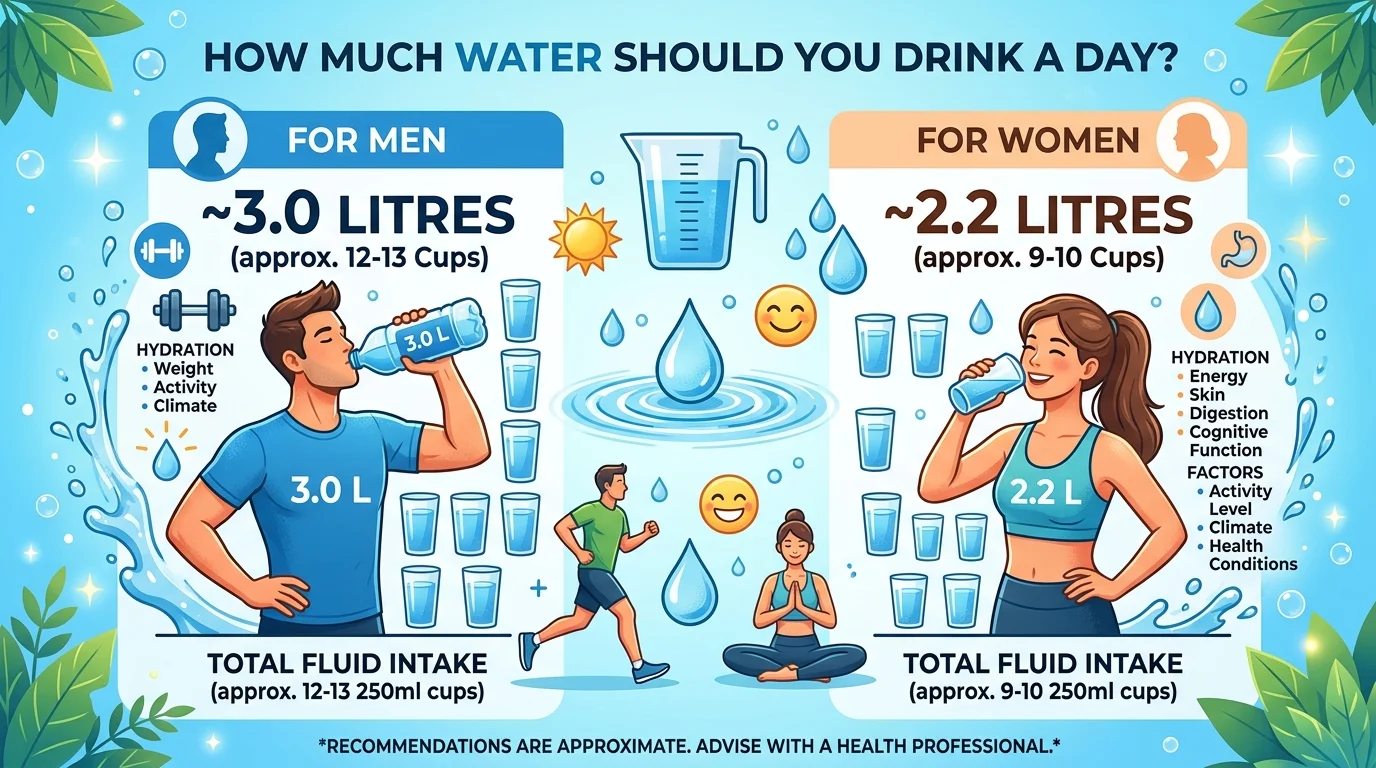
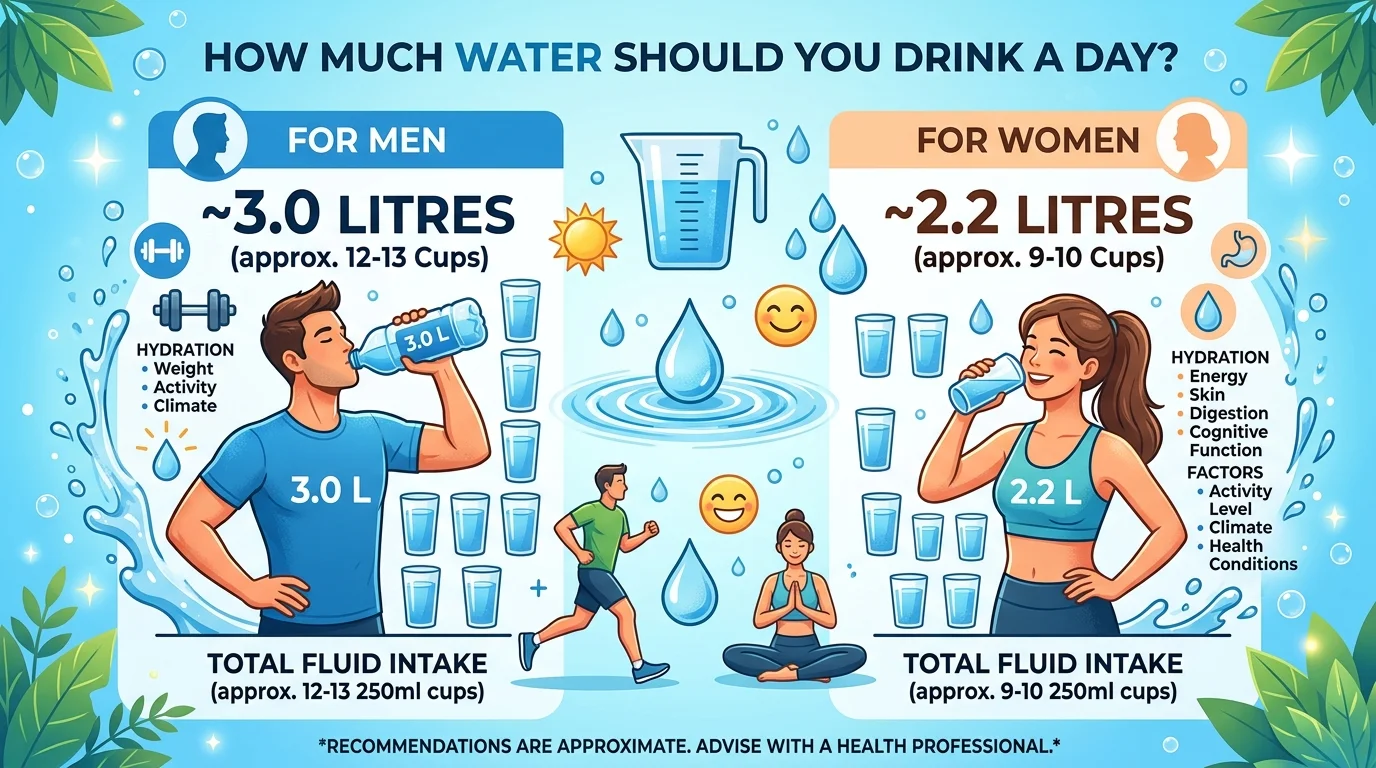
Most older adults should aim for about 6 to 8 cups (1.5 to 2 liters) of water a day, unless a doctor has given a different target for a health condition.
Break that down and it’s not scary at all:
- A glass with each meal = 3 cups
- A glass between meals, twice a day = 2 cups
- A small glass before bed = 1 cup
- Water from food (soup, fruit, yogurt) = the rest
That’s the whole target. No fancy tracking app needed.
Why the Range Isn’t the Same for Everyone
Body size, medications, kidney health, and heart conditions all shift the number up or down.
A 90-pound woman on a diuretic needs a different plan than a 220-pound man with no health issues.
This is where a quick chat with a doctor matters more than any online chart. Still, 6 to 8 cups is a safe, sensible starting point for most healthy seniors.
Where the “8 Glasses a Day” Rule Comes From
You’ve probably heard the old “8 glasses a day” advice your whole life. It’s an easy number to remember, and most healthy people can also just drink whenever they feel thirsty — but that second part is exactly where the problem starts for older adults, and we’ll get to why in the next section. mayoclinic
Why Seniors Get Dehydrated So Easily
This is the part that surprises most families.
Thirst is a warning system. And in older adults, that warning system gets quieter.
Think of it like a smoke alarm with a weak battery. The danger is still there. The alarm just doesn’t go off in time.
A few reasons this happens:
- The thirst signal fades with age, so the brain doesn’t send the “drink now” message as strongly.
- Kidneys become less efficient at holding onto water, so more gets lost through urine.
- Many common medications — blood pressure pills, diuretics, some antidepressants — pull extra fluid from the body.
- Mobility issues make it harder to simply get up and grab a glass of water.
- Memory changes mean some seniors genuinely forget they haven’t had anything to drink all day.
A 2023 study from the National Institutes of Health found something worth remembering here too. Researchers tracked over 11,000 adults for 30 years and found that people who stayed well-hydrated developed fewer chronic conditions and tended to live longer than those who didn’t get enough fluids. nih
That’s not a small finding. That’s water acting almost like preventative medicine.
Signs of Dehydration in Older Adults
Dehydration in seniors rarely looks like the classic “parched throat” you’d expect. It shows up sideways.
Watch for these signs:
- Confusion or sudden crankiness
- Dizziness when standing up
- Dark yellow urine, or going to the bathroom much less often
- Dry mouth and cracked lips
- Sudden tiredness with no clear reason
- Headaches that come out of nowhere
Here’s a simple trick: check the color of urine. Pale yellow, like lemonade, is good. Dark yellow, like apple juice, means it’s time to drink more.
It’s a small habit. But it works better than guessing.
Simple Ways to Help an Elderly Person Drink More Water
Nobody wants to nag their parent about drinking water every hour. It doesn’t work anyway. People tune out nagging fast.
Instead, try building water into the day so it happens on autopilot.
1. Attach Drinking to Existing Habits
Pair water with something that already happens daily — taking morning pills, sitting down for the news, brushing teeth. The habit already exists. You’re just riding along with it.
2. Make the Water More Interesting
Plain water gets boring fast for anyone, at any age. Try:
- A few slices of cucumber or lemon
- A splash of unsweetened juice
- Herbal tea, warm or iced
- Sparkling water for a bit of fizz
3. Use a Marked Bottle
A bottle with time markers on the side (“finish by noon,” “finish by 6 PM”) turns a vague goal into something visual and trackable. It’s oddly motivating.
4. Serve Water-Rich Foods
Water doesn’t only come from a glass. Watermelon, cucumbers, soup, oranges, and yogurt all count toward the daily total.
For families managing meals or weight goals alongside hydration, it can help to look at how fluid needs connect to overall eating habits — something covered in more depth in this guide on how much water to drink daily to lose weight, which explains how hydration and appetite are more linked than most people realize.
5. Keep Water Within Arm’s Reach
If getting up is hard, the water needs to come to them — on the nightstand, by the recliner, next to the favorite chair.
6. Choose the Right Type of Water
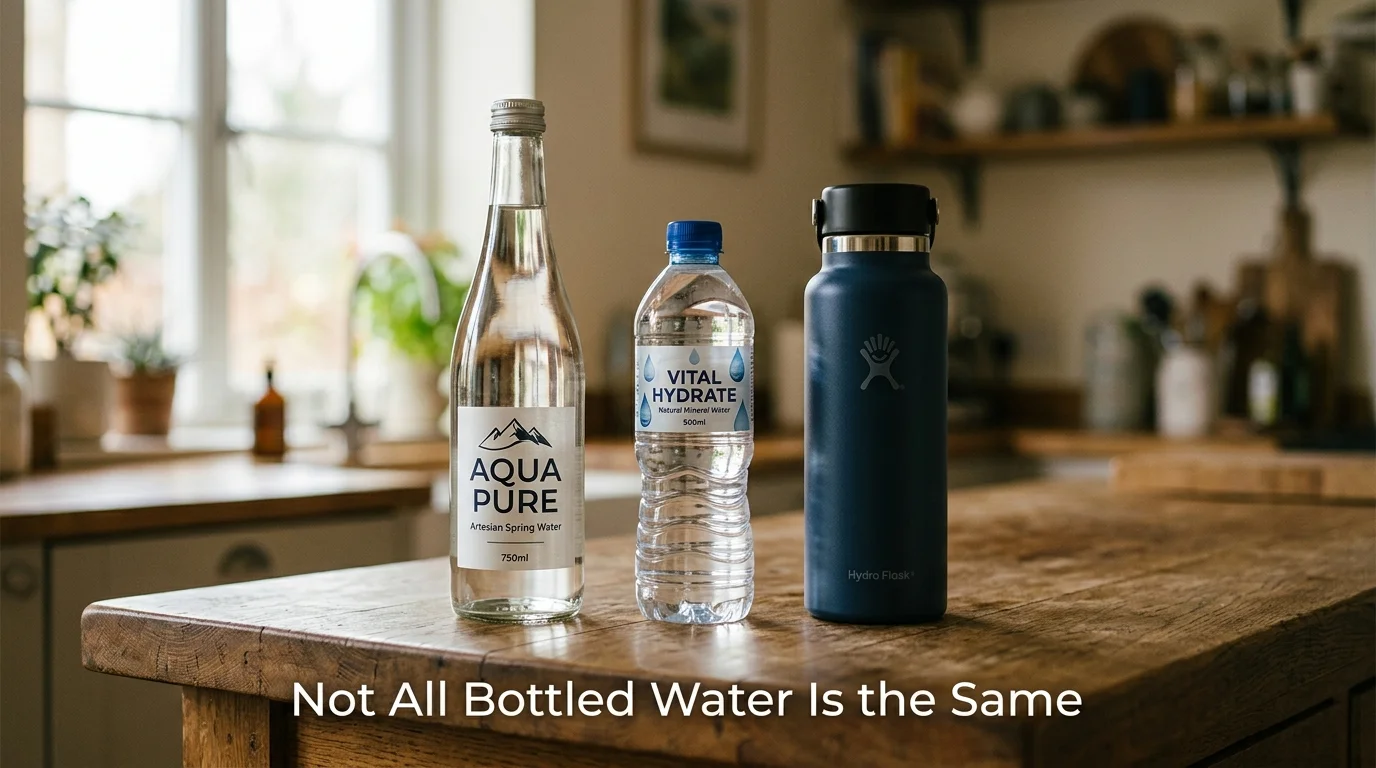
Not every bottled water is created equal, and mineral content can matter for older adults managing blood pressure or kidney health. This breakdown of the best bottled water to drink is a useful next stop if someone in your family is picky about taste or trying to avoid high sodium levels.
When Less Water Is Actually the Right Call
This part matters, and it’s easy to miss.
Not every senior should be pushing to drink more water.
Certain conditions — heart failure, some kidney diseases, and specific medications — sometimes require a doctor to recommend limiting fluids instead of increasing them.
Researchers involved in the NIH hydration study even pointed out that some medical conditions common in older adults can actually benefit from limiting fluid or salt intake, and some patients take medications specifically to remove excess water from the body. mammothtimes
So before anyone starts pushing extra cups of water on an elderly parent, a quick check with their doctor is worth the five-minute phone call. This is one of those situations where more isn’t automatically better.

A Real-Life Example: My Neighbor’s Story
My neighbor, Mrs. Alam, is 78. Sharp as anything. Loves her crossword puzzles.
Last summer, her daughter noticed she seemed unusually forgetful for a few days — missing appointments, repeating questions.
Everyone worried it was something serious.
It turned out to be dehydration. Plain and simple. She’d been skipping water because “I just don’t feel thirsty like I used to.”
Once her daughter set up a marked water bottle and put a glass by her favorite chair, the confusion cleared up within two days.
Sometimes the scariest symptoms have the simplest fix.
FAQs
1. How much water should a 70-year-old drink daily?
Around 6 to 8 cups (1.5–2 liters) a day is a solid target for most healthy adults in their 70s, unless a doctor advises otherwise for a specific condition.
2. Can drinking too much water be dangerous for elderly people?
Yes, for some seniors — especially those with heart failure or kidney disease. Too much fluid can strain the heart and kidneys. This is a case where a doctor’s guidance matters more than a general rule.
3. What are the best drinks besides plain water for hydration?
Herbal tea, milk, diluted fruit juice, and soup all count toward daily fluid intake. Water-rich foods like watermelon and cucumber help too.
4. Why do older adults stop feeling thirsty?
The body’s thirst signal naturally weakens with age, partly due to changes in the brain and kidneys. This is one reason seniors need reminders instead of relying on thirst alone.
5. What color should urine be if someone is well-hydrated?
Pale yellow, close to the color of lemonade. Dark yellow or amber-colored urine usually means it’s time to drink more fluids.
Final Thoughts
Getting an older parent or loved one to drink enough water isn’t about lectures or reminders that get ignored by lunchtime.
It’s about small, repeatable habits — a glass by the chair, a marked bottle on the counter, a slice of lemon that makes plain water feel like a treat.
Aim for 6 to 8 cups a day, adjust for their specific health needs, and check in with a doctor if anything changes.
That’s really the whole plan. Nothing complicated. Just water, showing up at the right time, in the right amount.