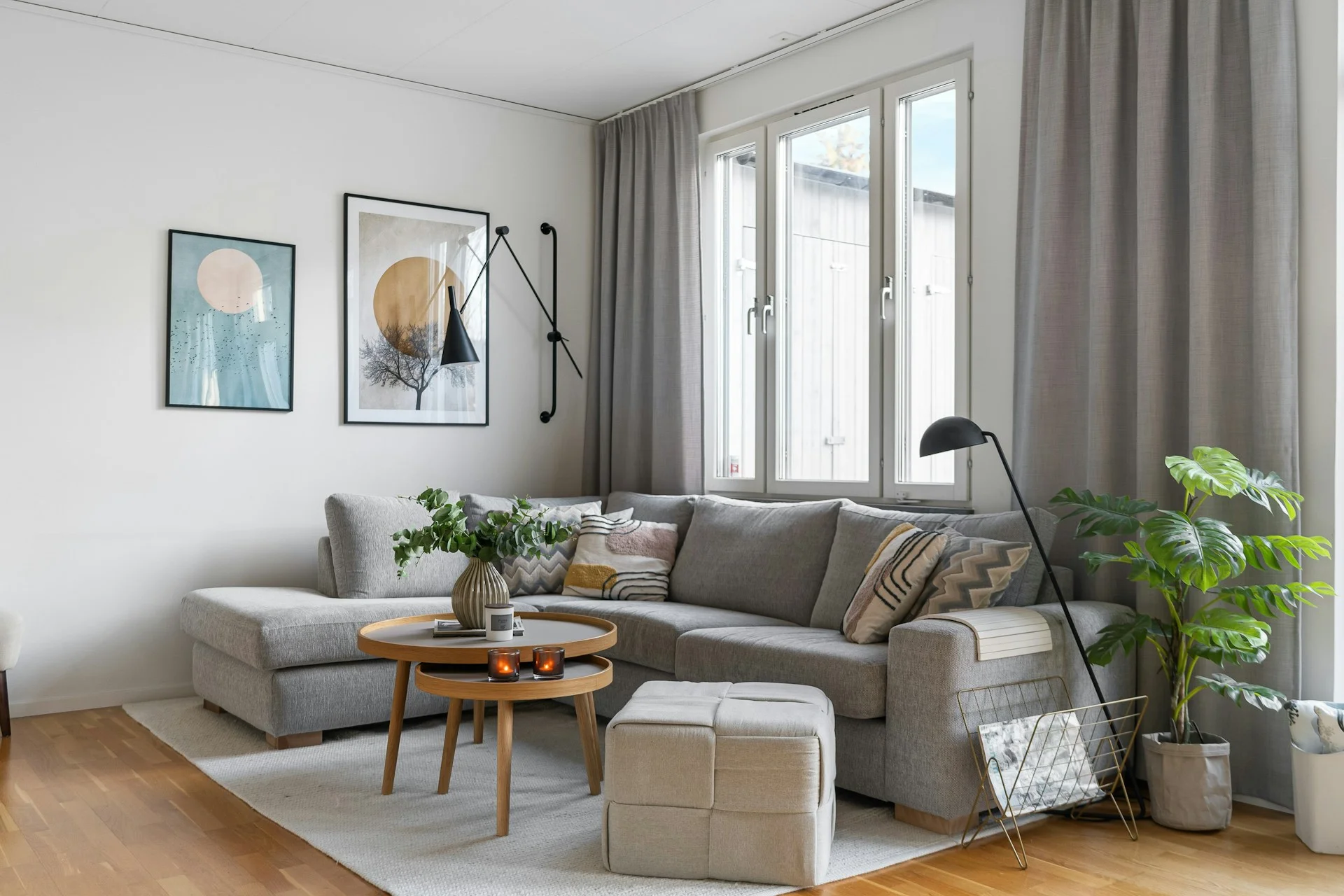
The Sectional Revolution: Why Modular is Winning 2026
The sectional couch is increasingly popular compared to the traditional three-seater sofa — and it’s not a close contest. Walk into any furniture showroom today, and you’ll find entire floors dedicated to modular configurations that would have seemed extravagant just a decade ago. What changed? Simply put, the way people live.
The shift is backed by real consumer behavior. Homeowners and renters alike are rethinking their living spaces as multi-functional sanctuaries rather than just rooms with furniture in them. The “home-as-sanctuary” mindset, accelerated by years of remote work and changing social habits, has pushed seating from a functional afterthought to a deliberate lifestyle investment. People want sofas that work as hard as they do.
The significant change is seen in modular design. Unlike a fixed sofa, a modular sectional adapts:
- Moves and relocations — reconfigure pieces to fit a new floor plan
- Growing families — add a chaise or extra seat as needs change
- Changing aesthetics — rearrange layouts without buying entirely new furniture
A small space sectional can also be modular, with compact armless pieces that stack efficiently without overwhelming a room. In practice, a 90-square-foot living area can accommodate a well-proportioned L-shape when the spatial math is done correctly.
That phrase — spatial math — is the concept that separates a beautiful furniture purchase from an expensive mistake. Before you commit to any configuration, you need to understand how shape and square footage interact. That’s exactly where we’re headed next.

L-Shape vs. U-Shape: The Square Footage Math You Need
Now that you understand why the sectional sofa has become the dominant format in modern living rooms, the next decision is arguably more important: which configuration actually works for your space? The difference between an L-shape and a U-shape isn’t just aesthetic — it’s a math problem with real consequences for how your room feels and functions.
The L-Shape: A Corner’s Best Friend
The L-shaped configuration is the gold standard for a reason. It tucks efficiently into a corner, preserves open floor space, and works exceptionally well in small-to-medium rooms — typically those ranging from around 10×12 feet up to 15×18 feet. The asymmetrical design creates a natural anchor point for the room without overwhelming it. One side handles seating, the other extends into a chaise or additional seats, and the open floor plan breathes.
According to Sectional Sofa Ideas: 5 Small Living Room Solutions, strategic placement of an L-shaped piece can actually make a compact room feel larger by directing sightlines and defining the seating zone clearly.
The U-Shape: Built for Gathering
The U-shaped sectional operates on a different philosophy entirely. It’s designed for large, open-concept spaces — think 20×20 feet or more — where the goal is to create a genuine conversation pit. Three sides of seating face inward, encouraging eye contact and making the furniture feel like a destination rather than a backdrop. It’s the configuration that turns a cavernous great room into something intimate.
However, there is a tradeoff. A U-shape demands significant square footage, and placing one in an undersized room is one of the most common — and most costly — furniture mistakes homeowners make.
The 3-Foot Rule: Non-Negotiable Clearance
Regardless of which shape you choose, walking clearance determines livability. A minimum of 36 inches between the sectional’s edge and any wall, doorway, or adjacent furniture is the practical baseline for comfortable movement. Drop below that, and even a beautifully proportioned room starts to feel like an obstacle course.
Before committing to a chaise length, map out your traffic lanes — the natural pathways people walk through the space. Measure from doorway to doorway, and from the seating area to the TV or fireplace. A chaise that extends too far into a primary traffic lane will frustrate you daily, no matter how good it looks in a showroom.
With the right configuration locked in, the next question becomes placement — and in 2025, the most exciting layouts are breaking every rule you thought you knew.
Boomerang and Beyond: 2025 Layout Trends
Once you’ve settled on your general shape — L or U — the next layer of decision-making is about placement and silhouette. And in 2025, the most interesting conversations in furniture design aren’t about fabric or finish. They’re about how a sofa relates to the space around it.
Break the Wall Habit
Pushing furniture against every available wall is a common choice, but it can limit room design. Floating your sectional toward the center of the room, even just 12 to 18 inches off the wall, immediately creates a more intentional, layered look. It also opens up natural circulation paths behind the sofa, which matters far more than most people realize during daily use. In practice, a floating sectional anchors a seating area rather than simply filling a perimeter.
The Boomerang Sofa Explained
The boomerang sofa — a gently curved, asymmetrical configuration that bends rather than angles — is emerging as a go-to solution for large, open-concept rooms with multiple functions. Unlike a rigid L-shape, the boomerang’s fluid arc can separate a living area from a dining space without the hard architectural line of a right-angle corner. A modular sectional sofa is the most practical way to achieve this shape, since individual pieces can be reconfigured as your needs evolve.
Curved Silhouettes in a Hard-Edged World
Modern architecture leans heavily on straight lines, sharp corners, and flat planes. Curved sectional silhouettes push back against that rigidity, softening the visual temperature of a room. A curved sofa is essentially architectural punctuation — it tells the eye where to pause. This trend pairs especially well with minimalist interiors where one statement piece carries significant design weight.
Zoning an Open Floor Plan
Perhaps the most underrated function of a well-placed sectional is its ability to define distinct zones within a single open space. Positioning the sofa’s back toward a kitchen or dining area creates an implied wall — a psychological boundary that makes each zone feel purposeful without any physical partition.
If your challenge isn’t an oversized loft but a smaller apartment, the equation shifts significantly — and the right sectional strategy changes with it.
Small Space Hacks: Making a Sectional Work in Tight Quarters
With your shape and layout locked in, the next challenge many shoppers face is scale. Ruling out a sectional due to a smaller apartment or condo is common, but not always necessary. The right sofa, configured thoughtfully, can make a compact room feel more intentional, not more crowded.
Go Low to Go Big
Low-profile sectionals — those with backs topping out around 30 to 33 inches — are one of the most underutilized tools in small-space design. The logic is simple: when the sofa’s silhouette sits below the room’s visual midpoint, the eye travels upward toward the ceiling rather than stopping at the furniture line. The result is a room that feels noticeably taller and more open, even if the square footage hasn’t changed by a single inch.
The Floor Space Illusion
Leg style matters more than most people expect. A skirted base that hides the sofa’s undercarriage creates a visual block at floor level, making the piece feel heavier. Exposed, tapered legs — even modest 4-inch ones — allow light to pass underneath, which tricks the eye into perceiving more open floor space. In practice, this single detail can be the difference between a sectional that anchors a room and one that swallows it.
Light Upholstery and the Color Advantage
Color psychology works predictably here. Light upholstery — think warm creams, soft grays, or pale sand tones — reflects rather than absorbs light, helping the sofa recede visually rather than dominate. A sectional in a light neutral can feel 20% smaller to the eye than the same frame in a deep charcoal or navy, even at identical dimensions.
The 80-Inch Option
“Apartment-sized” isn’t a marketing gimmick. Genuine compact sectionals in the 80-to-95-inch range exist across multiple price points and deliver real seating comfort without the footprint of full-scale configurations. The key is verifying the chaise depth — a shallow, 55-inch chaise still functions well for most adults.
Once you’ve got the size dialed in, the next question becomes construction and customization — because how a sectional is built matters just as much as how it fits.
Customization vs. Ready-to-Ship: What Defines the ‘Best’ Sectional?
Once you’ve solved the scale puzzle — fitting your sectional into a real room with real constraints — the next question becomes: which sectional deserves that carefully measured space? The answer hinges less on aesthetics than on materials, construction, and how much flexibility you need over the long haul.
Performance Fabrics: A Non-Negotiable for Busy Households
For families with kids or pets, fabric choice isn’t a style decision — it’s a durability decision. Performance fabrics like solution-dyed acrylic, tightly woven polyester blends, and treated microfibers resist staining, fading, and pilling far better than standard upholstery. In practice, a sofa that looks pristine in a showroom can show significant wear within 18 months under heavy household use if the fabric isn’t rated for it. Always check the rub count (also called the Martindale or Wyzenbeek rating) — residential use typically requires 15,000 double rubs minimum; heavy-use households should target 30,000 or above.
Modular Sofas: Infinite Flexibility With a Few Trade-Offs
Modular sofas have become one of the most searched categories in furniture retail, and for good reason. Systems built on individual, connectable units let you expand, shrink, or reconfigure as your living situation changes — a genuine advantage if you move frequently or anticipate a growing family. However, the trade-off is worth noting: the connection hardware between modules can loosen over time, and configurations with many joints may feel less cohesive than a single-frame build. Evaluate the locking mechanism quality before committing.
Build Quality: What’s Happening Inside the Frame
The best sectional you’ll ever buy is built where you can’t see it. Look for kiln-dried hardwood frames — they resist warping and cracking far longer than green wood or engineered alternatives. Paired with high-resiliency (HR) foam rated at 1.8 lb density or higher, these internal elements determine whether a sofa still feels supportive after five years of daily use.
Custom Lead Times vs. Ready-to-Ship
Custom-configured pieces typically carry 8–16 week lead times, while in-stock options ship in days. Neither is categorically better — it depends on your timeline and willingness to compromise on configuration. The right choice becomes clearer once you’ve nailed down your exact spatial requirements, which is exactly where the final step comes in.
Final Verdict: Measuring Twice for a Lifetime of Comfort
Choosing the right sectional comes down to one principle that runs through every decision covered in this guide: measure before you commit, then measure again. The spatial math matters — most living rooms need a minimum of 12×14 feet to comfortably accommodate even a compact sectional, and every foot of clearance you protect contributes directly to how livable that space feels day to day.
The right sectional is more than just furniture; it’s a long-term investment in your home’s functionality.
With that in mind, prioritize modularity wherever your budget allows. Modular and custom sectional sofas adapt as your life changes — a new apartment, a growing household, a reconfigured room layout. That flexibility is worth paying for.
Don’t overlook the tactile details, either. Before finalizing any purchase:
- Request fabric swatches and live with them for a few days under your actual lighting
- Sit in the showroom version whenever possible — seat depth, cushion firmness, and back support vary dramatically between styles
- Test the chaise height against your natural resting posture
A floor plan sketch cannot fully replace the experience of testing a sofa in person. However, sketching your room to scale remains the single fastest way to eliminate options that simply won’t work.
Begin your floor plan today; even a rough sketch on graph paper can help you find a sectional that fits your room and lifestyle.
Key Takeaways
- Moves and relocations — reconfigure pieces to fit a new floor plan
- Growing families — add a chaise or extra seat as needs change
- Changing aesthetics — rearrange layouts without buying entirely new furniture
- Request fabric swatches and live with them for a few days under your actual lighting
- Sit in the showroom version whenever possible — seat depth, cushion firmness, and back support vary dramatically between styles