You spent months saving up for new floors. You went with beautiful hardwood. It looked gorgeous for about six months — until the bathroom leaked, the dog knocked over his water bowl one too many times, and suddenly your gorgeous planks started warping like potato chips left in the sun.
Sound familiar? Yeah. A lot of people have been there.
That’s exactly why waterproof vinyl flooring has quietly become one of the smartest flooring decisions homeowners are making right now. Not because some salesperson pushed it. But because it actually works — especially in the rooms where every other flooring type eventually lets you down.
Let’s talk about what this flooring actually is, why it’s blowing up in popularity, and how you can decide if it’s the right pick for your home.
So What Even Is Waterproof Vinyl Flooring?
Here’s the thing — “vinyl” has a bit of a bad reputation. People still picture those flimsy, peel-and-stick tiles from the 1980s that looked cheap and felt cheaper.
Modern waterproof vinyl flooring is nothing like that. Not even close.
Today’s vinyl planks are engineered with multiple layers working together like a team. You’ve got a rigid core at the bottom (usually made from stone plastic composite or wood plastic composite), a printed design layer in the middle that mimics the look of real wood or stone, and a wear layer on top that protects everything from scratches, scuffs, and spills.
The result? A floor that looks like hardwood, feels comfortable underfoot, and doesn’t care one bit about water.
The seams are sealed. The surface is non-porous. Moisture simply cannot get through. Compare that to laminate, which swells up like a sponge the moment water sits on it for too long, and you start to see why waterproof vinyl is becoming the go-to choice.
Why Are So Many People Switching to It?
Let me paint you a picture.
Imagine you’ve got a busy household — two kids, a dog, a kitchen that sees real cooking, and a bathroom that gets steamy every morning. You want floors that look beautiful but won’t turn into a disaster every time someone spills juice or forgets to dry off after a shower.
That’s where waterproof vinyl flooring shines. It was basically designed for real life — not a showroom.
It Handles Moisture Like a Champion
This is the big one. The non-porous surface means water, juice, coffee, muddy paw prints — none of it soaks in. You wipe it off and move on with your day.
Laminate? It can’t handle standing water. Real hardwood? Even worse — it expands, contracts, and warps with humidity changes. Waterproof vinyl just… doesn’t do any of that. Its watertight core blocks moisture from getting in from above or below.
That’s why it’s become the first choice for kitchens, bathrooms, laundry rooms, and basements — places where every other flooring type gets nervous.
It’s Surprisingly Tough
Don’t let the word “vinyl” fool you into thinking this stuff is fragile.
The wear layer on quality waterproof vinyl flooring is thick enough to resist everyday scratches from furniture legs, pet claws, and the kind of foot traffic a busy family puts a floor through. Many brands back this up with lifetime residential warranties — that’s how confident they are in the product’s durability.
You can drop something heavy. Your kid can drag a chair across the room. Your dog can sprint laps. The floor handles it.
Maintenance Is Almost Laughably Easy
Here’s a real win: you don’t need any special cleaners, no polishing, no sealing, no waxing.
Sweep it. Mop it with mild soap and water when needed. Done. That’s the entire maintenance routine.
Wood floors need to be refinished every few years. Tile grout turns grey and gross and needs to be scrubbed. Carpet is basically a sponge for every spill, pet accident, and allergen imaginable.
Waterproof vinyl flooring asks almost nothing of you in return for looking great.
The Types of Waterproof Vinyl You’ll Come Across
Not all vinyl is the same. When you start shopping, you’ll quickly notice a few different styles. Here’s a quick breakdown so you’re not confused at the store:
Luxury Vinyl Plank (LVP)
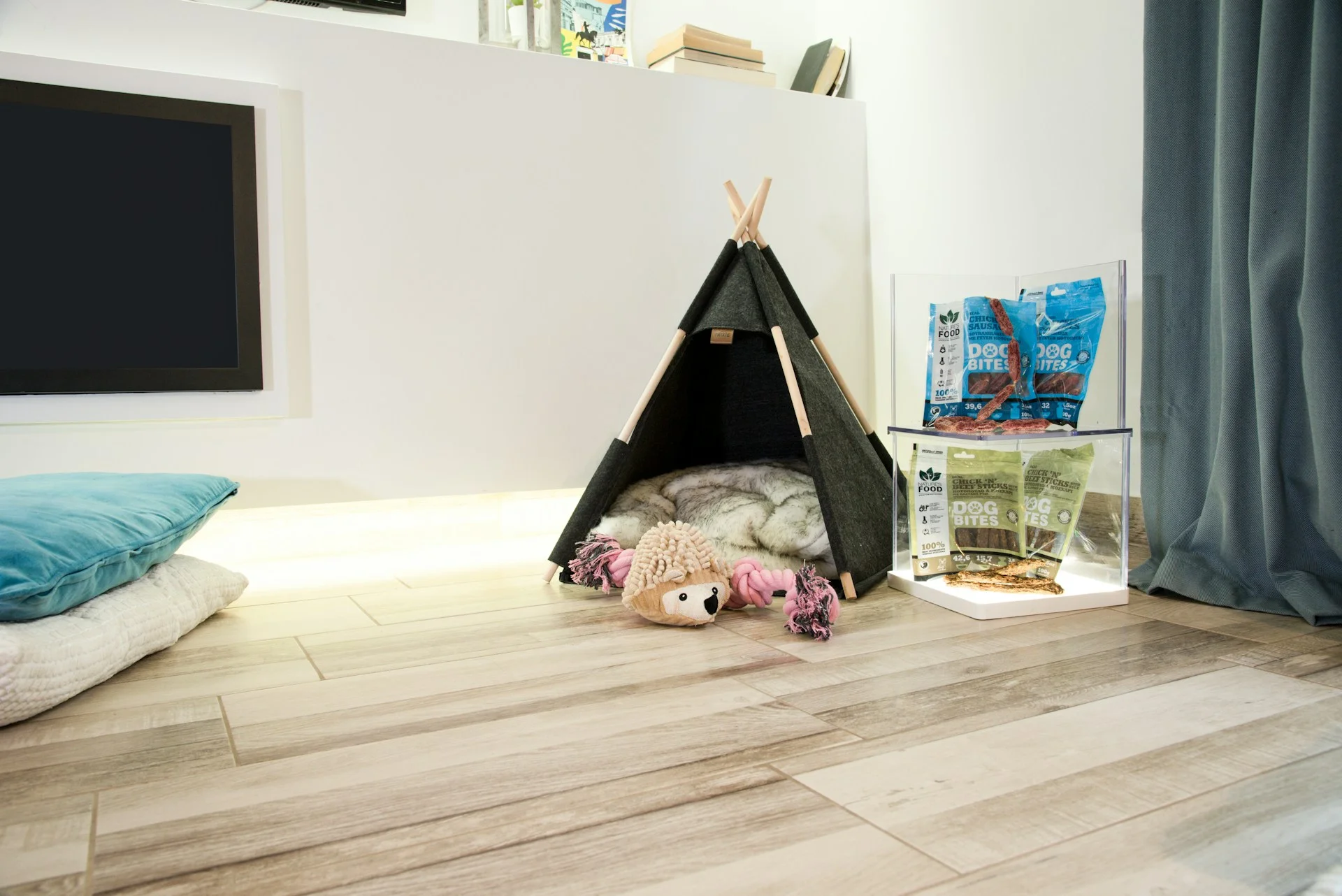
This is the most popular style right now, and for good reason. LVP comes in long planks designed to look exactly like hardwood — complete with realistic wood grain textures, color variations, and even beveled edges that give depth to the floor.
Walk into a room with good LVP and honestly, most people won’t know it’s not real wood unless they get on their hands and knees and really look.
Luxury Vinyl Tile (LVT)
Same idea, but in tile format. Great if you want the look of stone, slate, or ceramic tile without the cold, hard surface or the complexity of actual tile installation.
LVT stays warmer underfoot, and you skip the whole grout situation entirely.
Vinyl Sheet Flooring
This comes in large, continuous rolls. The advantage? Zero seams, which means zero entry points for water. It’s an excellent choice for bathrooms and laundry rooms where you want absolute waterproof coverage without any gaps.
It’s not as trendy-looking as LVP, but for pure waterproof functionality, it’s hard to beat.
How Is It Installed? Can You DIY It?
Here’s where waterproof vinyl flooring really separates itself from other options — the installation is genuinely beginner-friendly.
You’ve got three main methods:
1. Click-Lock (Floating): The planks snap together like puzzle pieces and “float” over your existing subfloor without being glued or nailed down. This is the most popular DIY method. You can install it over concrete, tile, or even old vinyl without removing anything first.
2. Glue-Down: Each plank gets adhered directly to the subfloor. This gives a more permanent, solid feel underfoot and is great for areas with heavy commercial traffic. Slightly more work, but very stable.
3. Loose Lay: Some vinyl is heavy and grippy enough to stay in place without adhesive or locking systems. Great for rental situations or when you might want to change floors later.
Most homeowners go with click-lock, and it’s genuinely manageable over a weekend if you’re even a little handy. Compare that to hardwood (which often requires professional installation and sometimes acclimatization time) and the ease of vinyl installation is a big deal.
One thing to remember: even though the floor itself is 100% waterproof, the subfloor underneath isn’t. If water gets under the planks through gaps at the edges or an improperly sealed perimeter, it can still cause subfloor issues. Proper installation and sealing along the edges (especially in bathrooms) matters.
What Does It Actually Cost?
Let’s talk numbers — because this is where waterproof vinyl flooring surprises a lot of people.
Entry-level options start as low as $0.99 per square foot. Mid-range products with thicker wear layers and more realistic visuals typically land between $2–$4 per square foot. Premium options with extra thick cores, attached underlayment, and long warranties can go up to $6–$8 per square foot.
Compare that to:
- Real hardwood: $6–$12+ per square foot (plus installation)
- Natural stone tile: $5–$15 per square foot (plus grout, setting, and installation)
- Laminate: $1–$5 per square foot (but with waterproofing limitations)
When you factor in longevity, low maintenance costs, and the fact that many homeowners install it themselves, waterproof vinyl flooring is one of the best value flooring decisions you can make.
Waterproof Vinyl vs. Laminate: Which One Should You Actually Pick?
This is probably the most common question people ask. Both look like wood. Both are affordable. So what’s the difference?
The difference is water. Full stop.
| Feature | Waterproof Vinyl | Laminate |
|---|---|---|
| Water Resistance | 100% waterproof | Water resistant at best |
| Standing Water | No problem | Will swell and warp |
| Subfloor Prep | Minimal | More preparation needed |
| Underfoot Feel | Softer, warmer | Slightly hollow sound |
| Realistic Look | Excellent | Good to excellent |
| Price | $0.99 – $8/sq ft | $1 – $5/sq ft |
| DIY-Friendly | Very | Moderate |
If you’re putting floors in a living room that never sees water, laminate can work fine. But anywhere near moisture — kitchens, bathrooms, basements, mudrooms — waterproof vinyl flooring is the smarter choice, every single time.
The Aesthetic Side: Does It Actually Look Good?
This might be your real question. Because what’s the point of practical flooring if it looks like you’re covering your house in contact paper?
Here’s the truth: modern waterproof vinyl flooring has come incredibly far in terms of looks.
Today’s printing technology means the wood grain patterns are detailed and varied — each plank looks slightly different, just like real wood. The textures are embossed into the surface, so it doesn’t just look like wood, it feels like it too. Beveled edges between planks create shadow lines that add depth and realism.
You can find options that mimic:
- Weathered reclaimed wood (rustic, farmhouse vibes)
- Dark walnut or ebony (modern, sleek interiors)
- Light oak or maple (Scandinavian, airy aesthetic)
- Slate or marble tile (luxury look without the luxury price)
Walk into a well-decorated home with quality LVP and most guests will genuinely think it’s hardwood. Some won’t believe you when you tell them it’s vinyl.
Things to Watch Out For When Buying
Not all waterproof vinyl flooring is created equal. Here’s what to pay attention to before you commit:
Wear Layer Thickness
This is the single biggest indicator of quality and durability. Measured in mils (1 mil = 0.001 inch):
- 6–8 mil: Fine for light residential use
- 12 mil: Good for most family homes
- 20 mil+: Great for heavy traffic, pets, commercial spaces
Don’t skip this spec. A thicker wear layer means more scratch and scuff resistance over the years.
Core Type
- SPC (Stone Plastic Composite): Denser, more rigid, better for uneven subfloors, stays stable in temperature fluctuations
- WPC (Wood Plastic Composite): Slightly softer and warmer underfoot, great for basements
Attached Underlayment
Some planks come with a thin foam underlayment already attached. This adds a bit of cushion, helps with sound absorption, and makes installation easier. If it’s not attached, you’ll need to buy it separately.
AC Rating
Some vinyl products include an AC rating for durability (typically AC3 or AC4 for residential use). The higher the rating, the more abuse the floor can take.
Is Waterproof Vinyl Flooring Good for Basements?
Absolutely — and honestly, it might be the best flooring choice for basements.
Basements are prone to humidity, occasional moisture seepage, and temperature swings. Hardwood hates all three. Carpet can develop mold. Laminate swells.
Waterproof vinyl flooring handles basement conditions without complaint. The rigid core maintains its shape even when temperatures fluctuate. The waterproof surface means a little moisture from condensation or a minor seep doesn’t ruin everything.
Just make sure your basement doesn’t have serious water intrusion issues first. No floor solves a leaking foundation — fix the root problem before you lay anything down.
Real Talk: What Are the Downsides?
Look, nothing is perfect. Here are the honest limitations of waterproof vinyl flooring:
It can’t be refinished. Unlike hardwood, once the wear layer is worn through, you replace the floor. You can’t sand it down and start fresh. That said, with a quality wear layer, this takes many years to happen.
It’s not as hard as tile or stone. Sharp, heavy objects dropped from height can dent or cut vinyl. It’s tough, but not invincible.
It can fade in direct, intense sunlight over time. Use window treatments in sun-heavy rooms to extend the life of the floor.
It adds no value to your home the way hardwood might. Real estate agents will tell you hardwood increases resale value more than vinyl. That said, the gap has been closing as buyers increasingly recognize the practical benefits of quality vinyl.
It’s not eco-friendly in the traditional sense. Vinyl is a plastic product. It’s not biodegradable. If sustainability is a major concern for you, this is worth knowing.
How to Care for Your Waterproof Vinyl Floors (Simple Version)
The good news: this section is short.
- Daily: Sweep or vacuum (use a soft-bristle setting — no beater bars)
- Weekly: Damp mop with water and a small amount of mild floor cleaner
- Avoid: Abrasive scrubbers, steam mops (heat can damage the core over time), harsh chemicals, wax-based cleaners
- Protect: Use felt pads under furniture legs. Use door mats at entrances to catch grit before it scratches the surface.
That’s genuinely all it takes.
A Quick Word on Brands Worth Knowing
Without playing favorites too much, there are some names in the waterproof vinyl flooring space that consistently get good reviews: LifeProof (sold at Home Depot), Shaw Floors, Armstrong, COREtec, and Pergo. Each has product lines across multiple price points.
The best approach? Go to a local flooring store, ask for samples, take them home, drop something on them, spill water on them, and see how they perform before you commit to anything.
Conclusion: Is Waterproof Vinyl Flooring Right for You?
If you want floors that look beautiful, handle real life without drama, cost less than wood or stone, and don’t demand constant attention — waterproof vinyl flooring is genuinely one of the best decisions you can make.
It’s not a compromise. It’s a smart upgrade.
For kitchens, bathrooms, basements, laundry rooms, and homes with kids or pets — this flooring was practically built for your situation. And even in living rooms and bedrooms, quality LVP gives you a stunning look that most guests will mistake for hardwood.
Do your homework on wear layer thickness, get samples before committing, and install it right (especially those perimeter edges). Do those three things and you’ll have floors you’re happy with for many, many years.
FAQ: Waterproof Vinyl Flooring — The Questions People Actually Ask
Q1: Is waterproof vinyl flooring truly 100% waterproof?
Yes — the plank itself is 100% waterproof. The vinyl core, surface, and wear layer won’t absorb or be damaged by water. However, if water gets beneath the planks through unsealed edges or gaps, it can reach your subfloor. Proper installation with sealed perimeters (especially in bathrooms) is key.
Q2: How long does waterproof vinyl flooring last?
With proper care and a decent wear layer (12 mil or higher), you can realistically expect 15–25 years of life. Many manufacturers offer lifetime residential warranties. The floor won’t last forever, but it’ll outlast most carpets and many laminate installations easily.
Q3: Can you install waterproof vinyl flooring over existing tile or old vinyl?
Yes, in most cases. One of the big advantages of click-lock vinyl is that it can float over existing hard flooring — tile, old vinyl, even concrete — as long as the surface is flat and level. You don’t have to rip up your old floors first, which saves significant time and cost.
Q4: Does waterproof vinyl flooring add resale value to a home?
It adds perceived value to buyers through its clean, updated appearance and practical durability. However, real hardwood still tends to add more measurable resale value according to most real estate surveys. If resale value is your top priority, hardwood wins — if practicality and budget are priorities, vinyl wins.
Q5: What’s the difference between LVP and WPC vinyl flooring?
LVP (Luxury Vinyl Plank) is the broad category — it covers any waterproof vinyl in plank format. WPC (Wood Plastic Composite) refers to a specific core type that includes foamed wood fibers, making it softer and warmer underfoot. SPC (Stone Plastic Composite) is denser and more rigid. Both are waterproof — WPC is more comfortable, SPC is more dimensionally stable in temperature fluctuations.