You’re standing in the grocery aisle, staring at a wall of water bottles. One says 16.9 fl oz. Another says 500 mL. A third just says “standard size.” And you’re thinking — wait, are these all the same thing? Or are you about to haul home three different amounts of water thinking they’re identical?
You’re not alone. This is genuinely confusing — and it matters more than people realize. Whether you’re tracking daily hydration, buying supplies for a road trip, or just trying to figure out why your gym bottle feels smaller than the one at the office, understanding how many mL in a water bottle is actually useful, practical knowledge.
Let’s sort it out — no fluff, no unnecessary detours.
The Short Answer: What’s the Standard?
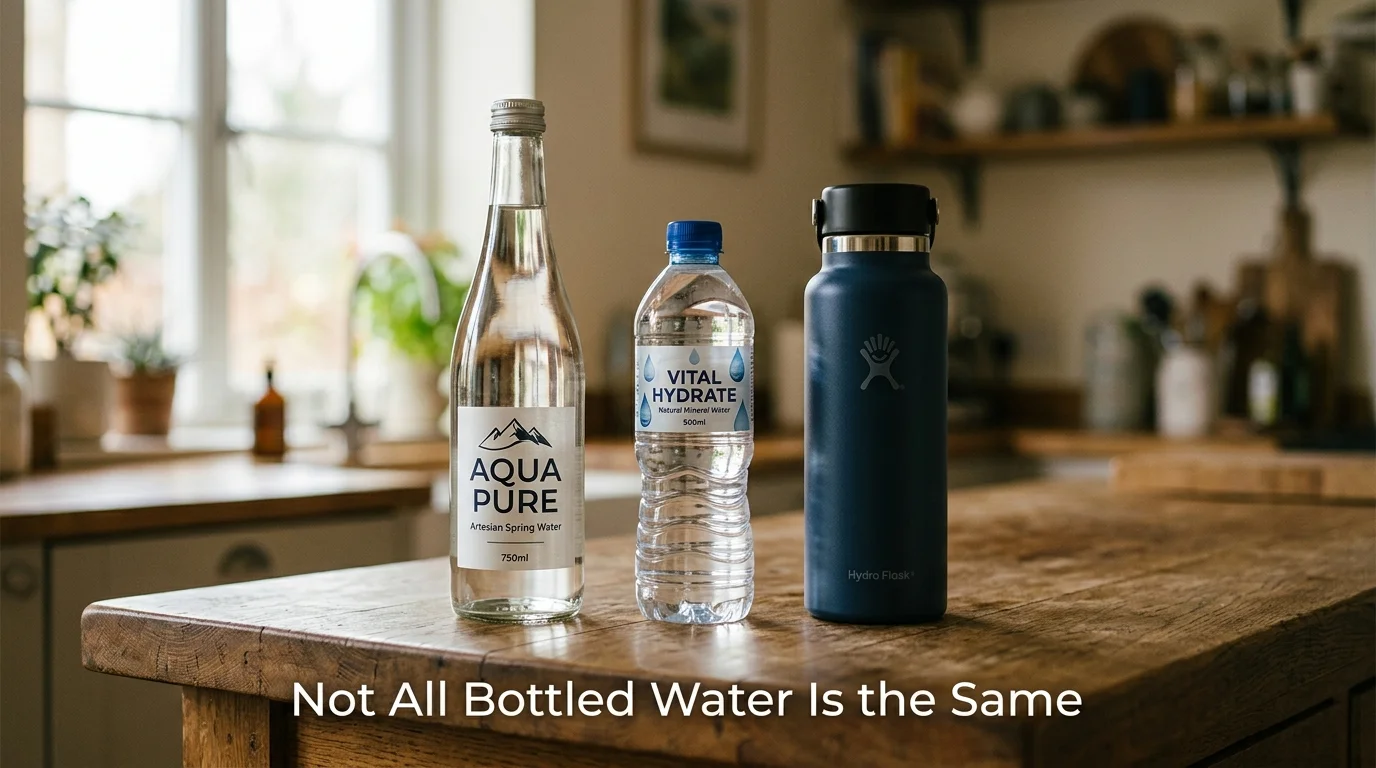
If someone just asks “how many mL in a water bottle?” the most honest answer is: 500 mL (16.9 fl oz) — that’s your classic, everyday single-use plastic water bottle. The kind you grab at a gas station, find stacked in vending machines, or pick up in packs of 24 from a big-box store.
But here’s the thing — that’s just one size in a whole family of options. Water bottles actually come in a surprisingly wide range, each built for a specific purpose or person. Once you see the full picture, the grocery aisle starts making a lot more sense.
The Complete Water Bottle Size Chart (mL to fl oz)
Here’s every standard size you’re likely to encounter, laid out cleanly. Bookmark this — it’s genuinely handy.
| Size (mL) | Fluid Ounces | Best For | Common Type |
|---|---|---|---|
| 250 mL | 8.5 fl oz | Kids, lunch boxes | Small plastic / stainless |
| 330 mL | 11.2 fl oz | Compact, on-the-go | Slim cans, small reusables |
| 355 mL | 12 fl oz | Casual hydration | Soda-can standard size |
| 500 mL ⭐ | 16.9 fl oz | Everyday use, most popular | Single-use plastic bottles |
| 591 mL | 20 fl oz | Sports, longer outings | Squeeze bottles, reusables |
| 750 mL | 25.4 fl oz | Hiking, travel | Reusable stainless / Tritan |
| 1,000 mL (1L) | 33.8 fl oz | Athletes, gym use | Wide-mouth reusables |
| 1,500 mL | 50.7 fl oz | Shared use, all-day hydration | Large reusable jugs |
Notice the jump from 355 mL straight to 500 mL? That gap isn’t an accident. Those two sizes correspond to two very different drinking cultures — casual beverage culture (cans) vs. the hydration-focused bottled water market. They evolved separately and landed at those numbers for different reasons.
Why 500 mL Became the King
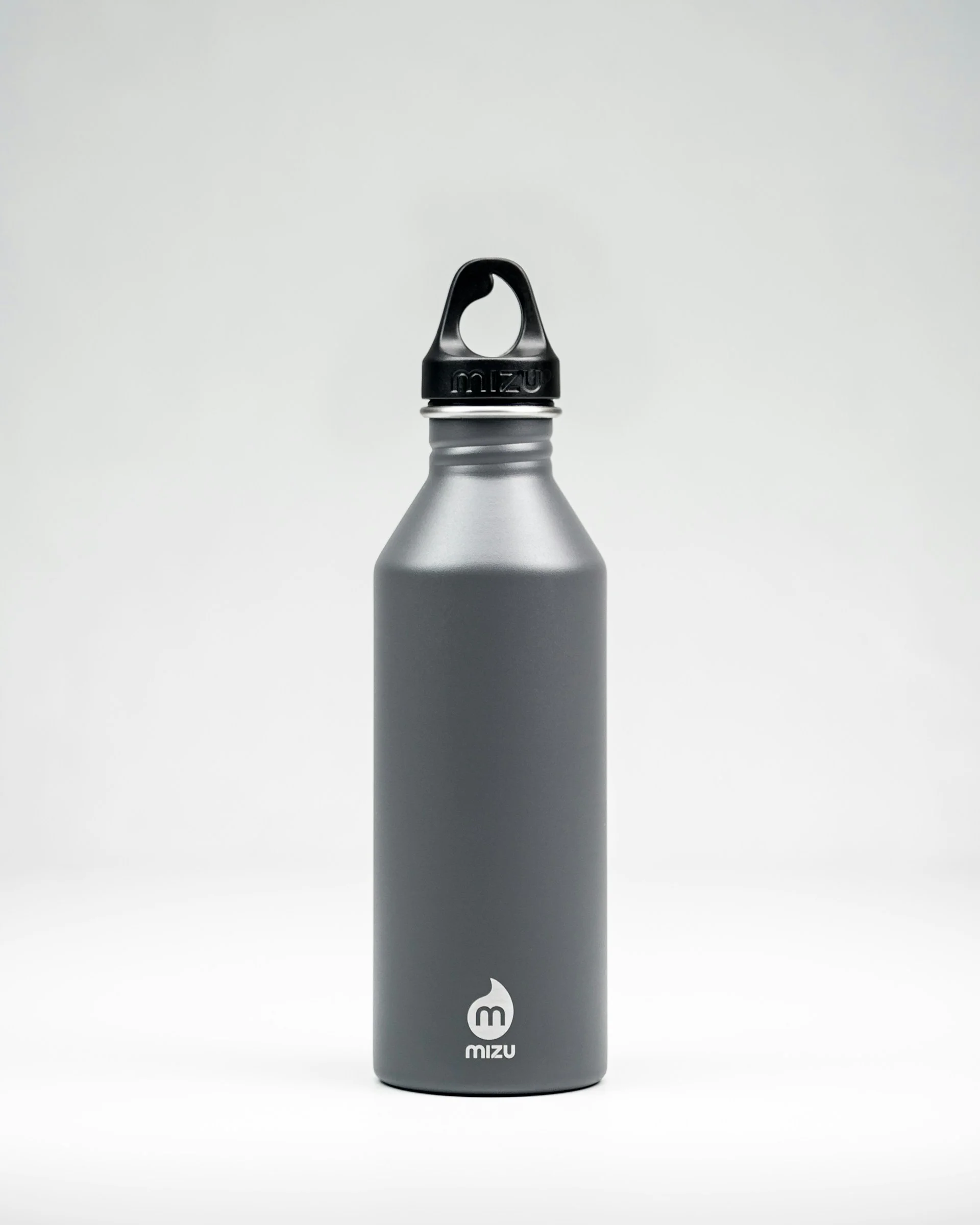
The 500 mL bottle didn’t become dominant by accident. It hit a very specific sweet spot — portable, affordable, and just enough water to feel like you’re actually hydrating without being so big it becomes awkward to carry.
In the U.S., it also matched perfectly with vending machine sizing and grocery pallet configurations. A 24-pack of 16.9 fl oz bottles (which is 500 mL) became the default unit sold in virtually every store. It shaped consumer expectations so thoroughly that “a bottle of water” now mentally defaults to this size for most Americans.
In Europe and metric-focused markets, the same logic applied — 500 mL is a round, easy number that made manufacturing standardization simpler. The rest of the world basically followed suit.
Not sure how to mentally convert? Try this simple trick: 1 fl oz ≈ 30 mL. So a 16.9 fl oz bottle is roughly 16.9 × 30 = 507 mL — close enough to 500 mL that manufacturers just round it. That tiny gap is normal and not something to worry about.
The Kids’ Size: Why 250 mL Actually Matters
A lot of parents don’t think much about bottle sizing for kids — they just grab whatever fits in the lunch box. But 250 mL (about 8.5 fl oz) is specifically designed for small hands and small stomachs. It’s light enough that a 5-year-old can hold it without issue, and it’s sized so the child can realistically finish it in one sitting.
There’s a practical reason for this beyond just cuteness. Kids are actually more vulnerable to dehydration than adults because their bodies have a higher surface-area-to-volume ratio — which is a fancy way of saying they lose water faster. Giving them a bottle that’s actually sized right encourages them to drink the whole thing rather than leaving it half-finished.
The 330 mL size slots in as a great option for older kids or as a “small adult” bottle — useful if you don’t want to carry a full 500 mL but still need more than a few sips.
The Sports & Active Use Range: 591 mL to 1,500 mL
Once you move past everyday casual use, bottle sizes start scaling up significantly. And here’s where it gets interesting — the needs of athletes and outdoor adventurers pushed an entirely different set of size standards into existence.
591 mL (20 fl oz) — The Sports Bottle Sweet Spot
This is the size you’ll see most often on cycling racks, at soccer sidelines, and in gym bags. It’s bigger than your standard grocery-store bottle, but not so big that it’s unwieldy. Most squeeze bottles and bike bottles are designed around this volume. It became popular in sports partly because it holds enough liquid to sustain moderate activity without needing a mid-session refill.
750 mL — The Hiker’s Choice
If you’re heading out on a trail or spending a full day outdoors, 750 mL gives you a meaningful buffer. It’s still compact enough to slide into most backpack side pockets, but it carries 50% more than a standard bottle. A lot of premium reusable brands like Hydro Flask and Nalgene have built popular product lines around this size precisely because it serves the active outdoor crowd so well.
1,000 mL (1 Liter) — The Serious Athlete’s Bottle
The 1-liter bottle is where you stop being casual about hydration and start being intentional. This is the size you see serious gym-goers carrying around, the size that CrossFit coaches put on their recommended gear lists, and the size that most hydration-tracking apps encourage people to work toward finishing at least twice daily.
One liter is also a psychologically convenient marker — it’s easy to know you’re hitting your goals when the unit is round. Two of these a day = 2 liters = solid baseline hydration for most adults.
1,500 mL and Beyond — The All-Day Jug
These are the big boys. A 1,500 mL bottle is the kind you fill up once in the morning and sip from all day. They’re popular in offices, at desks, and for people who struggle to remember to drink water and want a single large container as a visual reminder. Some go even larger — 2-liter and gallon-sized (3,785 mL) jugs exist for the truly dedicated hydration trackers.
Regional Differences: Does Where You Live Affect Bottle Sizes?
Yes — more than you’d think. In North America, the 16.9 fl oz / 500 mL size dominates because U.S. consumer culture developed around the imperial system first, and 500 mL was a convenient metric conversion that happened to align with existing packaging norms.
In Europe and most of Asia, metric labeling is standard from the start, consumers are used to thinking in mL and liters, so bottle sizes like 330 mL, 500 mL, and 1,500 mL feel natural without any conversion confusion. There’s less “wait, how many ounces is that?” mental math involved.
In countries with active markets for refillable and reusable bottles, Germany is a good example, bottle sizes tend toward the larger end because the culture prioritizes fewer refills and less single-use packaging. The 1-liter reusable is almost a status symbol in some European fitness communities.
A Quick Story: The Moment Bottle Size Actually Mattered to Me
I was prepping for a long flight once — one of those 10-hour stretches where you know the cabin air will dry you out completely. I grabbed what I thought was my usual 500 mL reusable bottle, but it was actually my 330 mL compact one. I didn’t realize until I was past security, half-filled it at the fountain, and burned through it before we even left the gate.
I spent the rest of the flight mildly dehydrated, begging flight attendants for extra water cups. Knowing the mL of your bottle isn’t just trivia — it’s practical information that affects how you plan your day.
How to Check How Many mL Your Bottle Actually Holds
Most bottles have the capacity printed somewhere — usually on the bottom or on a small label near the base. But the print is sometimes tiny or worn off on older bottles. Here’s how to figure it out if the label is missing:
- Fill the bottle completely with water, then pour it into a measuring jug. Simple, but foolproof.
- Look up the brand and model online — most manufacturers list exact capacity in product specs.
- Check for raised numbers or engravings on the bottom of plastic bottles — sometimes the capacity is molded into the base.
- If it’s a standard shape, compare it visually to a known 500 mL bottle — you’ll usually be able to estimate if it’s bigger or smaller.
One important thing: no single universal size standard exists for all bottles. Even within “500 mL bottles,” there can be slight variations of 5–10 mL between brands due to manufacturing tolerances. The label is the most reliable source — always check it for the specific capacity you’re working with.
How Many mL Should You Actually Be Drinking Per Day?
This is the question behind the question — most people searching “how many mL in a water bottle” are really trying to figure out how many bottles they need to drink per day.
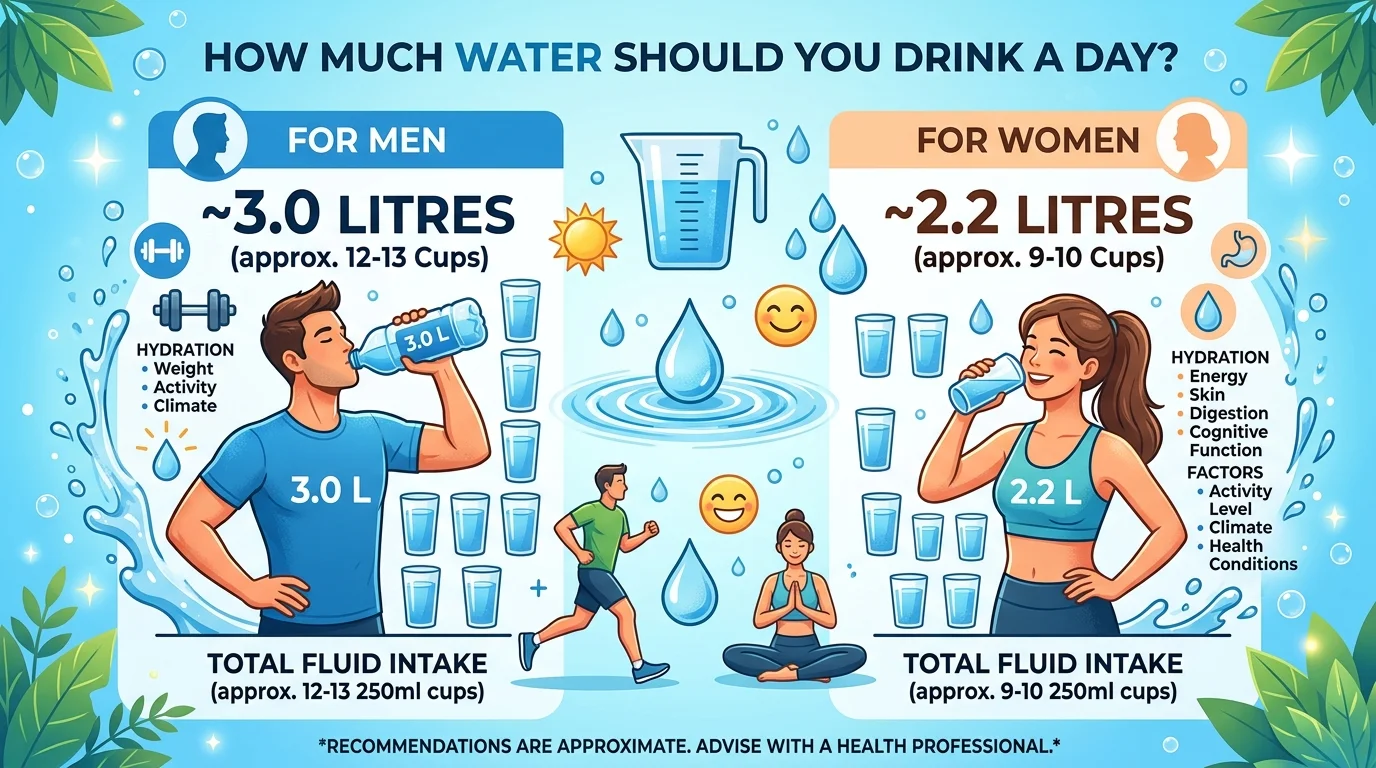
The general guidance from most health organizations lands around 2,000–2,500 mL per day for adults (roughly 8–10 cups), though actual needs vary based on body size, activity level, climate, and diet. Here’s a quick practical breakdown:
- 500 mL bottles: You’d need about 4–5 to hit daily hydration targets
- 1,000 mL bottles: Just 2–2.5 per day does the job
- 1,500 mL bottles: Fill it once, drink it and a half, done
This is why a lot of nutrition coaches actually recommend upgrading to a 1-liter bottle — it makes counting dramatically easier. Four 500 mL bottles sounds like a lot. Two 1-liter bottles sounds achievable. Same amount of water, very different psychology.
Pro Tip
If you struggle to drink enough water, try this: choose a bottle size you’ll actually refill, not the one that seems most impressive. A 500 mL bottle you refill four times beats a 2-liter jug that sits untouched on your desk all morning.
Frequently Asked Questions
Bottom Line: Know Your Bottle, Own Your Hydration
The next time you reach for a water bottle, you’ll know exactly what you’re holding. 500 mL is your everyday standard. 250 mL is for the kids. 330–355 mL fits compact, on-the-go needs. And once you hit 591 mL and beyond, you’re firmly in the territory of active hydration — built for sports, hiking, and long days.
None of this is complicated once you see it laid out. And now you have the full picture — sizes, conversions, regional quirks, and the practical “how many bottles a day” math that most guides skip over.
Pick the size that actually fits your life. Fill it up. Drink it. That’s genuinely the whole game.


3 thoughts on “How Many mL in a Water Bottle? (Sizes, Charts & Everything You Need)”