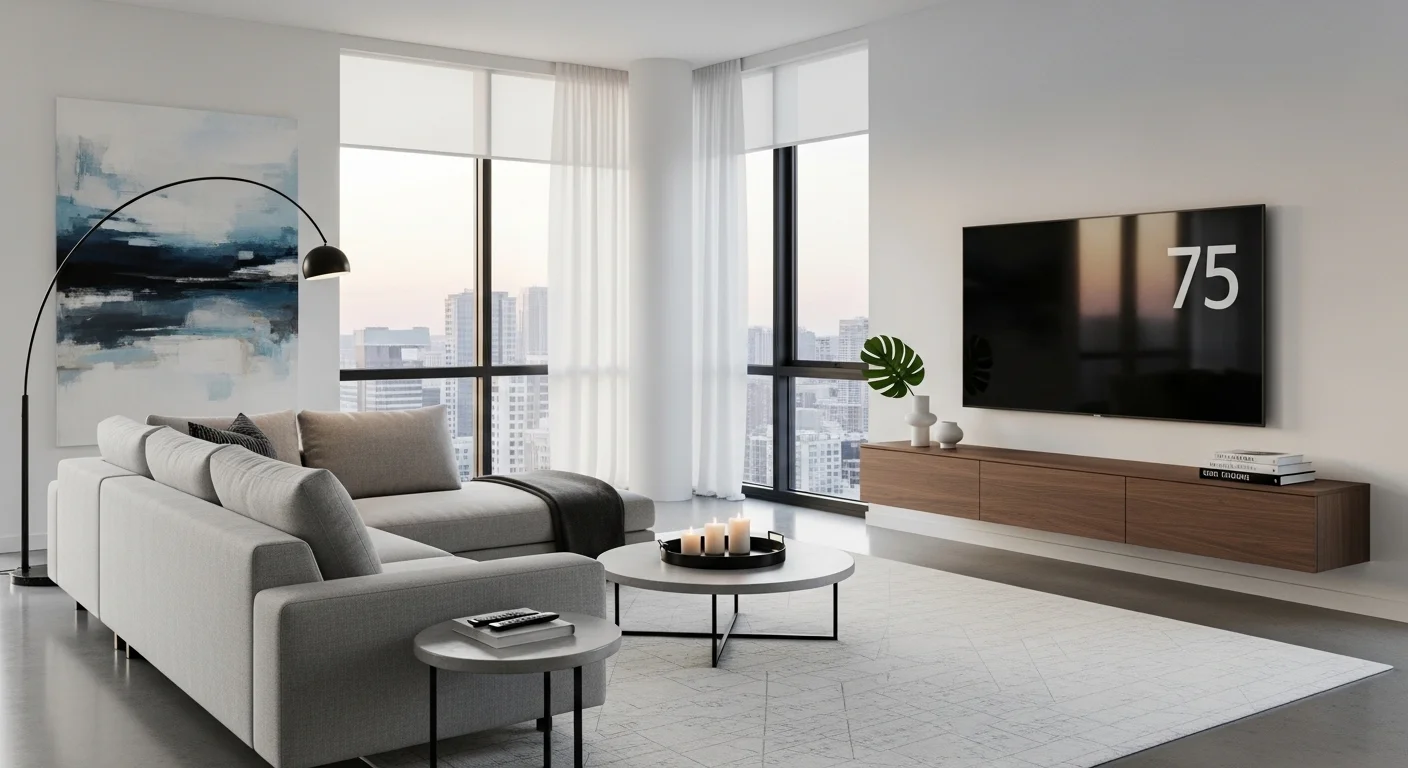
Picture this: You walk into your living room after a long, exhausting day. You kick off your shoes. And then… you cringe. Because the space that’s supposed to feel like a hug? It feels like a waiting room.
Sound familiar?
You’re not alone. Millions of people are sitting in living rooms they don’t actually love — surrounded by furniture that doesn’t flow, colors that clash, and a layout that makes zero sense. And the worst part? They don’t know where to start.
That’s exactly why we’re here. This isn’t going to be one of those articles that throws 47 ideas at you and calls it a day. We’re going to walk through modern living room designs like you’re chatting with a friend who actually knows what they’re talking about — step by step, idea by idea, until your living room stops being a source of stress and starts being your favorite place in the house.
Let’s get into it.
What Does “Modern” Actually Mean? (Most People Get This Wrong)
Here’s where a lot of people trip up. They think “modern” means cold. White walls. No personality. Basically a furniture showroom where no one actually lives.
That’s not modern design. That’s just… sad.
Real modern living room design is about intention. Every piece of furniture, every color choice, every light fixture has a purpose. It’s clean without being sterile. It’s simple without being boring. And it absolutely can have warmth, texture, and a whole lot of personality.
Modern design borrows from movements like mid-century modern, Scandinavian minimalism, and contemporary style — but it never stops evolving. What made a room look “modern” in 2010 might look dated today. That’s why it’s important to understand the principles, not just copy a Pinterest board.
The core principles of modern design are:
- Form follows function — if something doesn’t serve a purpose, it probably doesn’t belong
- Clean lines — curved or straight, but always intentional
- Neutral base, bold accents — a calm foundation that lets your personality pop through
- Quality over quantity — one great sofa beats four mediocre ones every single time
Once you understand this, every design decision becomes easier.
The Layout Problem Nobody Talks About
Before you buy a single piece of furniture, you need to sort out your layout. This is the step most people skip — and it’s why their living room never quite feels right even after they’ve spent a fortune redecorating.
Ask yourself this: What do I actually do in this room?
- Do you watch a lot of TV?
- Do you have people over for conversation?
- Do your kids use this space?
- Do you work from this room sometimes?
Your answer to these questions should literally determine how your furniture is arranged. Most modern living rooms fall into one of three layout styles:
The Conversation Zone Layout
Sofas and chairs face each other — not the TV. This is perfect if you love having people over. A central coffee table anchors the space. The TV becomes secondary, usually mounted on a side wall rather than the focal point.
This layout feels incredibly social and open. It works beautifully in square rooms.
The Entertainment-Forward Layout
The TV wall is the focal point, and the seating wraps around it in a slight arc or U-shape. This is the most common setup for families. The key to making this look modern? Keeping everything low-profile. Avoid bulky entertainment units. A floating TV shelf or a sleek media console keeps the eye moving rather than getting stuck.
The Open-Plan Flow Layout
If your living room connects to a dining room or kitchen, this is your reality. The trick here is using furniture — especially sofas and rugs — to define zones without walls. A large area rug under the living room furniture tells the eye “this is its own space.” A console table behind the sofa creates a subtle boundary.
Modern Living Room Color Palettes That Actually Work
Color is where people panic. And honestly? The fear makes sense. Pick the wrong color and you’re living with it for years.
Here’s the thing about modern living room designs though — the color palette is almost always built the same way. There’s a formula. Once you see it, you can’t unsee it.
Step 1: Choose your neutral base.
This is your wall color and your largest furniture piece (usually the sofa). Classics include:
- Warm white or off-white
- Soft greige (grey + beige)
- Deep charcoal or slate
- Warm taupe
Step 2: Add a secondary neutral.
This might be your rug, curtains, or an accent chair. It should be in the same temperature as your base — if your walls are warm, your secondary neutral should be warm too. This is why some rooms feel off even when the individual colors are nice. Mixing warm and cool tones without intention creates tension.
Step 3: Bring in your accent color.
This is where you get to have some fun. Two or three pieces — throw pillows, a vase, an artwork, a lamp — in a single accent color. Right now the most popular choices in modern interiors are:
- Terracotta and rust tones — warm, earthy, incredibly versatile
- Deep forest green — pairs beautifully with wood tones
- Dusty blue or sage — soft and calming
- Mustard yellow — bold but surprisingly grounded
The rule? Pick one accent color and commit. Don’t try to do three different accents. It gets messy fast.
Furniture: The Big Choices and How Not to Mess Them Up
The Sofa
The sofa is the single most important piece in your living room. Get this right and the rest of the room becomes much easier to pull together.
In modern design, look for:
- Low-profile silhouettes — sofas that sit closer to the ground feel more contemporary
- Clean lines — track arms (straight) vs. rolled arms (traditional)
- Fabric choice — linen and boucle are having a massive moment; velvet in a jewel tone is timeless; performance fabrics make sense if you have kids or pets
What to avoid in a modern living room: overstuffed, heavily tufted sofas. They work in traditional or Hollywood Regency interiors, but they fight against modern design.
The Coffee Table
The coffee table is underrated as a design element. It sits right in the center of your seating area — everyone looks at it constantly.
A few modern coffee table formats that work really well:
- A large, low rectangular table — creates visual anchor without crowding
- A round table — better for smaller spaces, no sharp corners, very approachable feel
- Nested tables — two smaller tables that can be pulled apart or pushed together; incredibly practical and very modern
- A storage ottoman with a tray — doubles as seating and storage, brilliant for small spaces
Material-wise, look at natural wood, marble, glass with a metal base, or concrete. These all read as modern. Avoid anything too ornate or heavily carved.
Storage and Shelving
Here’s something a lot of modern living room designs get right that traditional rooms get wrong: storage is built-in or hidden. Open shelving exists, but it’s curated — not stuffed. A few books, a plant, an object you love. Not forty different things competing for attention.
Floating shelves, media consoles with closed doors, and built-in units all work well. The goal is a room that looks organized even when you haven’t tidied up in a few days.
Lighting: The Element That Changes Everything
Lighting might be the most underestimated element in interior design. The same room can feel completely different depending on how it’s lit.
Modern living rooms use layered lighting. That means:
- Ambient light — the overall brightness of the room. This is your ceiling lights or recessed lighting.
- Task lighting — focused light for reading or specific activities. Floor lamps next to a sofa, table lamps on end tables.
- Accent lighting — for drama and mood. A lamp that highlights a piece of artwork. LED strips behind a TV. Candles on a coffee table.
The biggest mistake people make? Relying entirely on overhead lighting. A ceiling fixture alone creates flat, unflattering light. It makes a room feel like an office, not a home.
For a modern feel, ditch the harsh overhead light in the evening. Lean on floor lamps and table lamps. Add a dimmer switch if you can — it’s one of the cheapest and most impactful upgrades you can make.
When it comes to fixture styles, modern living rooms typically favor:
- Sculptural pendant lights
- Arching floor lamps (a huge trend right now)
- Drum shade ceiling fixtures
- Sputnik-style chandeliers for a mid-century touch
Textures and Materials: How to Make a Room Feel Rich Without Spending a Fortune
Modern doesn’t mean expensive. It means intentional. And one of the best ways to add depth and warmth to a modern living room without blowing your budget is through texture.
Think about layering different textures throughout the room:
- A chunky knit throw on the sofa
- A jute or wool rug on the floor
- Linen curtains that puddle slightly
- A ceramic vase with dried pampas grass
- A wooden tray on the coffee table
None of these things need to cost a lot. But together, they transform a room from flat and lifeless to warm and inviting.
Materials that feel distinctly modern: natural wood (especially walnut and oak), matte metal (black iron, brushed brass), stone (marble, travertine), and woven natural fibers. Notice that almost all of these come from nature. Modern design loves bringing the outside in.
Plants: The Secret Weapon of Modern Interiors
You want to know the fastest, cheapest way to make any living room look better?
Add a plant.
Seriously. A large fiddle leaf fig or monstera in the corner of a modern living room does more visual work than almost any piece of furniture. Plants add height, movement, color, and life. They soften hard lines. They make a space feel cared for.
Can’t keep plants alive? No judgment — go for a pothos (almost unkillable), a snake plant (thrives on neglect), or a ZZ plant (practically immortal). The goal is green, not botanical perfection.
Small Living Room? Modern Design Is Actually Your Friend
A lot of people think modern design is only for big, open spaces. Actually, it’s the opposite. The principles of modern design — clean lines, minimal clutter, intentional furniture choices — are perfect for small rooms.
A few tricks specifically for small modern living rooms:
- Choose furniture with legs. Sofas and chairs that sit on visible legs make a room feel bigger because you can see more floor.
- Use mirrors strategically. A large mirror on one wall can visually double the size of a room.
- Go vertical. Tall shelves draw the eye up, making ceilings feel higher.
- Keep the color palette light. Darker colors are beautiful in large rooms but can close in a small space.
- Multipurpose everything. An ottoman with storage. A sofa bed. A coffee table with drawers. In a small space, every piece should earn its place twice.
The 5 Biggest Modern Living Room Design Mistakes (And How to Avoid Them)
Let’s be real about what actually goes wrong.
1. Buying a rug that’s too small. This is the single most common mistake. The rug should be large enough that at least the front legs of all your major furniture pieces sit on it. When the rug is too small, it looks like an afterthought.
2. Hanging artwork too high. Art should be hung at eye level — roughly 57 to 60 inches from the floor to the center of the piece. Most people hang it way too high. When art is high up, it disconnects from the furniture below and makes the room feel disjointed.
3. Matching everything perfectly. Perfectly matched furniture sets look like a showroom, not a home. Modern living rooms mix — different wood tones, different metal finishes, pieces from different eras. What ties it together is a cohesive color palette and design intention, not identical furniture.
4. Ignoring scale. A massive sectional in a tiny room is a disaster. A tiny loveseat in a huge room looks lost. Always consider the scale of your furniture relative to the room’s size before purchasing.
5. Skipping the rug altogether. A bare floor with floating furniture has no anchor. The rug defines the seating area and ties everything together. It’s non-negotiable in a modern living room design.
Budget Breakdown: How Much Should You Actually Spend?
Real talk — you don’t need to spend tens of thousands of dollars to create a beautiful modern living room. Here’s a rough breakdown for creating a strong foundation:
| Item | Budget Range |
|---|---|
| Sofa | $800 – $2,500 |
| Coffee Table | $200 – $600 |
| Area Rug | $300 – $800 |
| Floor Lamp | $100 – $400 |
| Throw Pillows + Blankets | $100 – $300 |
| Artwork | $50 – $500 |
| Plants + Pots | $50 – $200 |
Total estimated range: $1,600 – $5,300
You can absolutely do this for less if you shop secondhand (which, by the way, is very on-brand for modern design — vintage and preloved pieces add character that new furniture can’t replicate). Marketplace apps, estate sales, and thrift stores are goldmines for modern furniture.
Bringing It All Together: Your Action Plan
Okay, so here’s what you actually do:
- Define how you use the room and choose your layout accordingly.
- Pick your color palette — neutral base, secondary neutral, one accent color.
- Invest in your sofa first — it’s the anchor of everything else.
- Layer your lighting — ambient, task, and accent.
- Add texture through soft furnishings and natural materials.
- Bring in plants — at least one large one.
- Choose a rug that’s big enough and anchor your furniture on it.
- Edit ruthlessly — if something doesn’t belong, remove it.
Modern living room design isn’t about spending the most money or following every trend. It’s about creating a space that feels intentional, calm, and genuinely yours. When you get it right, you’ll feel the difference every single time you walk through the door.
FAQ: Modern Living Room Designs
Q1: What’s the difference between modern and contemporary living room design?
Great question — people use these interchangeably but they’re technically different. “Modern” refers to a specific design movement rooted in the early-to-mid 20th century (think clean lines, function-forward design, natural materials). “Contemporary” refers to what’s popular right now — it changes over time. In common usage though, modern living room designs typically means a clean, minimalist, current-feeling aesthetic. Both terms are used loosely, so don’t stress too much about the distinction.
Q2: What colors are most popular in modern living rooms right now?
As of 2025, the most popular color directions in modern living rooms are warm neutrals (creamy whites, warm beiges, soft taupes), deep moody tones (charcoal, forest green, navy), and earthy accents (terracotta, rust, ochre). The cold greys that dominated in the 2010s have largely given way to warmer tones that feel more inviting.
Q3: How do I make my modern living room feel cozy and not cold?
This is the most common concern with modern design — and it’s very fixable. The key is texture. Add a plush rug, chunky throws, linen or velvet cushions, and warm-toned lighting. Incorporate natural wood and woven elements. Bring in plants. Swap out cool-white light bulbs for warm-white ones (2700K-3000K). These changes transform a stark modern room into something warm and livable.
Q4: What size rug should I use in a modern living room?
The standard recommendation is an 8×10 or 9×12 foot rug for a standard living room. The key is that the front legs of all major seating should sit on the rug. When in doubt, go bigger — a rug that’s too large is a much smaller problem than one that’s too small.
Q5: Can I mix modern with other styles like bohemian or traditional elements?
Absolutely. In fact, a purely modern room with zero mixing can feel a bit sterile. Many of the most beautiful modern living rooms blend in vintage pieces, global textiles, or antique accessories. The key is to keep the bones of the room modern (clean lines, neutral base, uncluttered layout) and layer in personality through accessories and accent pieces. This approach — often called “modern eclectic” — creates spaces that feel both stylish and deeply personal.
Your living room should feel like the best version of home. Start with one change — one piece, one color, one lamp. Momentum builds fast once you start.