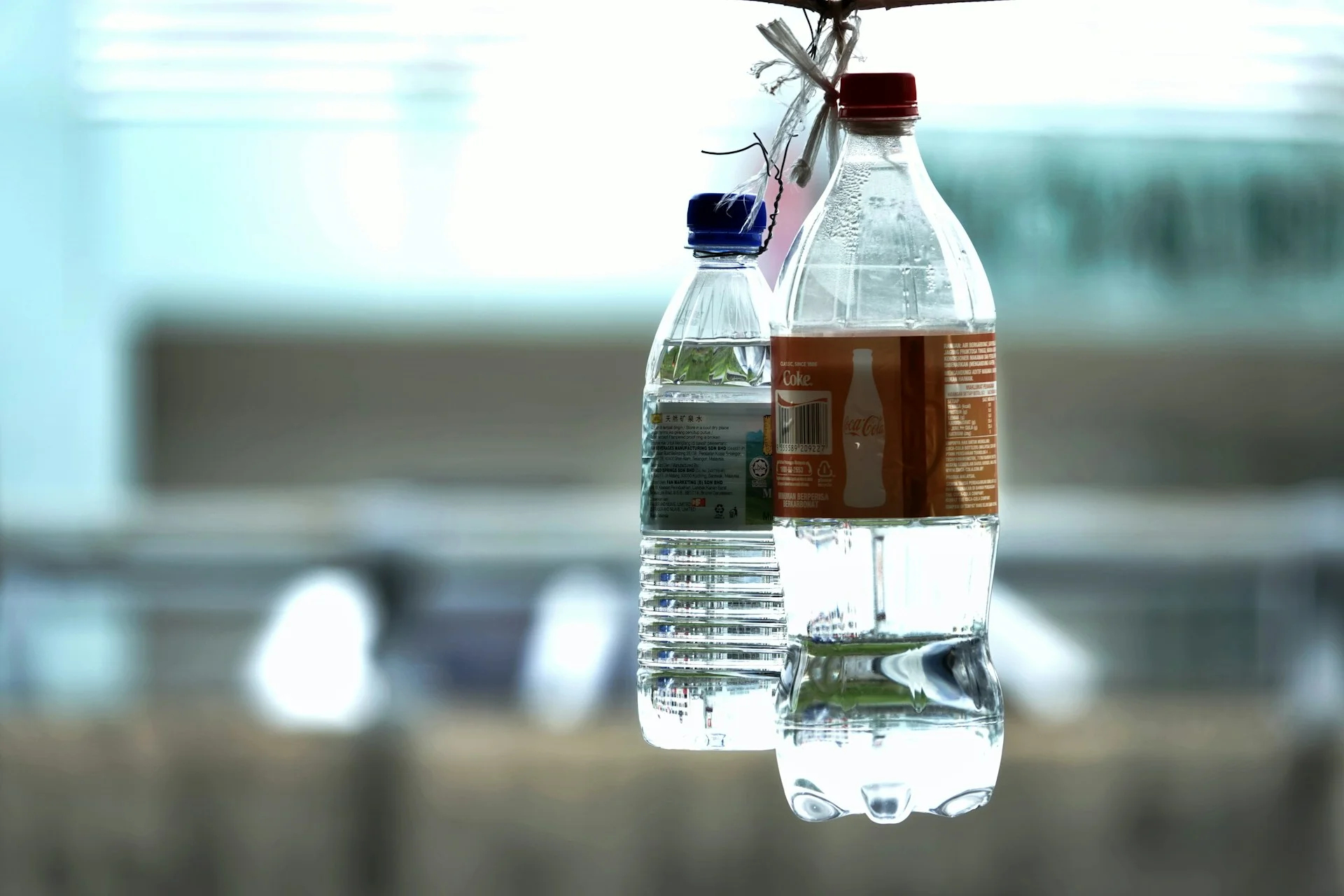
Okay, real talk. You’ve probably been standing in your kitchen, holding a water bottle, thinking — wait, how many of these do I actually need to drink a gallon of water?
Maybe your doctor told you to drink more water. Maybe you read somewhere that a gallon a day keeps the doctor away. Or maybe you’re just tired of guessing and want a real, clear answer.
Good news — you’re in the right place. Let’s break this down in the simplest way possible, no confusing math, no fluff.
First Things First — What Even Is a Gallon?
A gallon sounds like a big, old-fashioned unit of measurement. And honestly? It kind of is.
In the United States, 1 gallon = 128 fluid ounces. That’s the number you need to remember. Write it on your hand if you have to. 128. Done.
Now, every water bottle you pick up at the store has a size printed on it — usually in ounces. So the whole game is figuring out: how many of those ounces fit into 128 ounces?
Simple division. That’s all this is.
How Many Water Bottles Is a Gallon? (By Every Common Size)
Here’s where it gets fun. Because water bottles don’t all come in the same size — and that changes everything.
Let me walk you through the most common bottle sizes you’ll find:
16 oz Water Bottle (The Classic)
This is your standard, everyday water bottle. The ones you grab from a gas station cooler, the ones packed in cases at Costco.
128 ÷ 16 = 8 bottles
So you need 8 bottles of 16 oz to make a gallon. If someone tells you to drink a gallon a day, that’s 8 of these bad boys. Sounds like a lot? It is. But it’s doable.
17 oz Water Bottle
Some bottles are just slightly bigger than 16 oz — usually the fancier, brand-name ones.
128 ÷ 17 = 7.5 bottles
So technically, 7.5 bottles of 17 oz equals one gallon. You can’t drink half a bottle and call it a day, so round up to 8 if you want to hit that gallon mark.
18 oz Water Bottle
A lot of reusable water bottles — like those slim ones you carry to the gym — are 18 oz.
128 ÷ 18 = 7.1 bottles
Round it to 7 full bottles, and you’re basically at a gallon. Easy.
20 oz Water Bottle
This is super common for sports drinks and bigger convenience store bottles.
128 ÷ 20 = 6.4 bottles
So roughly 6 to 7 bottles gets you to a gallon. If you drink 6 full ones, you’re at 120 oz — just 8 oz short. One more small sip and you’re there.
24 oz Water Bottle
A lot of gym-goers love the 24 oz bottle because it’s a solid size — not too small, not too bulky.
128 ÷ 24 = 5.3 bottles
About 5 to 6 bottles and you’ve hit a gallon. This is honestly one of the easiest sizes to track your intake with.
26 oz Water Bottle
Some brands like Hydro Flask make popular 26 oz sizes.
128 ÷ 26 = 4.9 bottles
So 5 bottles of this size = one gallon. Clean and easy.
32 oz Water Bottle
Now we’re getting into the “serious hydrator” territory. 32 oz is a full quart.
128 ÷ 32 = 4 bottles
Exactly 4 bottles = 1 gallon. No rounding, no guessing. This is actually one of the most convenient sizes if you’re tracking your daily water intake.
36 oz Water Bottle
Some of the larger reusable bottles and tumblers come in 36 oz.
128 ÷ 36 = 3.5 bottles
So 3.5 fills = a gallon. Drink 3 full ones and then fill it halfway — you’re done.
40 oz Water Bottle
Stanley cups. You know the ones. The massive tumblers everyone was obsessed with.
128 ÷ 40 = 3.2 bottles
About 3 bottles (and a little extra) equals a gallon. If you’re rocking a 40 oz Stanley, you’re practically there after 3 refills.
64 oz Water Bottle (Half Gallon)
This one’s easy. 64 oz is literally half a gallon.
128 ÷ 64 = 2 bottles
2 of these = 1 gallon. Fill it up twice, done for the day. These are great if you want a simple system without the mental math.
128 oz Jug (1 Gallon)
And of course — the gallon jug itself.
1 jug = 1 gallon.
Brands like Iron Flask, YETI, and Brio all make 1-gallon bottles or jugs specifically for people who want to track their daily intake without any fuss. You fill it up once in the morning and just drink from it all day. Simple as it gets.
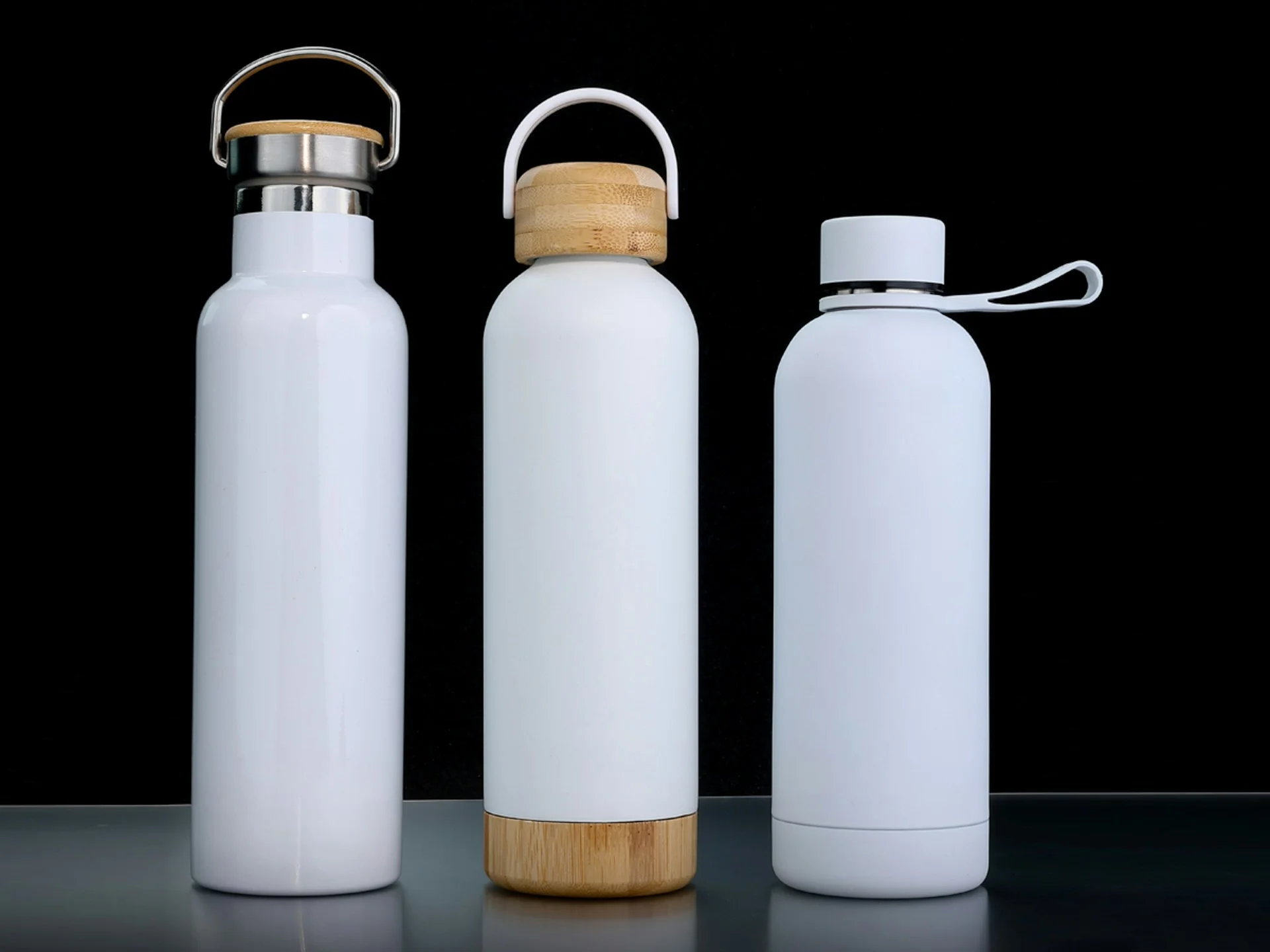
Quick Reference Chart — How Many Water Bottles Is a Gallon?
| Bottle Size | Bottles Needed for 1 Gallon |
|---|---|
| 16 oz | 8 bottles |
| 17 oz | ~7.5 bottles |
| 18 oz | ~7 bottles |
| 20 oz | ~6.4 bottles |
| 24 oz | ~5.3 bottles |
| 26 oz | ~5 bottles |
| 32 oz | 4 bottles |
| 36 oz | ~3.5 bottles |
| 40 oz | ~3.2 bottles |
| 64 oz | 2 bottles |
| 128 oz | 1 bottle |
Wait — Does It Matter Which Gallon We’re Talking About?
Yes, actually! And most people don’t know this.
There are two types of gallons floating around the world:
The U.S. gallon = 128 fluid ounces. This is what we use in America.
The UK/Imperial gallon = 160 fluid ounces. This one’s bigger.
So if you’re in the UK and someone tells you to drink a gallon of water a day — they’re talking about 160 oz, not 128 oz. That’s a significant difference.
If you’re reading this from the US, stick with 128 oz. If you’re in the UK, all those bottle calculations above need to be adjusted upward.
For example, with a 16 oz bottle in the UK: 160 ÷ 16 = 10 bottles
See? Big difference.
Why Does Anyone Need to Know This Anyway?
Great question. A few really practical reasons:
1. Tracking daily water intake The “drink a gallon of water a day” challenge has become incredibly popular. Whether you’re doing a 30-day challenge or just trying to stay hydrated, knowing how many bottles that equals makes it way easier to track.
2. Budgeting and grocery shopping If you’re buying bottled water for your home or a party, knowing that 1 gallon = 8 standard 16 oz bottles helps you calculate exactly how much to buy.
3. Fitness and workout recovery Athletes and gym regulars often have specific hydration goals in fluid ounces or gallons. Converting those goals into bottle counts makes it easy to stay on track throughout the day.
4. Kids’ school needs Packing a water bottle for school? Knowing the size helps parents figure out how many refills their kid needs to stay properly hydrated.
The “Drink a Gallon a Day” Thing — Is It Actually Necessary?
Okay, so now that you know how many water bottles is a gallon, the bigger question: should you actually be drinking a gallon a day?
Let’s be real about this.
The old rule was “8 glasses of 8 oz of water a day” — that’s 64 oz, or half a gallon. That was the baseline for a long time.
A full gallon (128 oz) became popular more recently, especially in fitness and bodybuilding communities. The logic is solid — staying well-hydrated supports digestion, skin health, energy levels, and muscle recovery.
But here’s the honest answer: your needs depend on your body, your activity level, and your climate.
A 200-pound construction worker in Texas in July needs way more water than a 120-pound person working in an air-conditioned office in Seattle.
The general medical guidance is about 2.7 liters per day for women and 3.7 liters per day for men — and that includes water from food, not just beverages. That translates to roughly:
- Women: about 91 oz from drinks (close to ¾ of a gallon)
- Men: about 125 oz from drinks (just under a gallon)
So for most men, drinking close to a gallon a day of water is actually right in line with medical recommendations. Women are a bit lower, but not by much.

How to Actually Hit a Gallon a Day Without Going Crazy
Look, knowing the math is one thing. Actually drinking that much water is another challenge entirely.
Here are a few tricks that genuinely work:
Start with a full bottle first thing in the morning. Before coffee, before scrolling your phone — drink a full 16 or 20 oz of water. Your body is dehydrated after sleep and it wakes your system up.
Tie it to habits you already have. Drink a bottle before every meal. Drink one after every bathroom break. Attach it to something you already do consistently.
Use a time-marked bottle. Some bottles come with markings like “drink to here by 10 AM, here by noon.” These are genuinely helpful and take the guesswork out completely.
Get a 64 oz bottle. Half-gallon bottles are my personal favorite for this. Fill it up in the morning, finish it before lunch. Fill it up again, finish it before dinner. Done. One gallon.
Add flavor if plain water bores you. A squeeze of lemon, some cucumber slices, mint leaves — these little additions make drinking water feel less like a chore and more like a treat.
Set phone reminders. Simple but effective. An alarm at 9 AM, 12 PM, 3 PM, and 6 PM reminding you to drink up. Within a week, it becomes automatic.
Real Life Story — How I Started Tracking My Water Intake
Quick story. A friend of mine — let’s call him Marcus — decided to do the one-gallon-a-day challenge for 30 days. He figured out pretty quickly that counting 8 individual 16 oz bottles every day was annoying and he kept losing track.
So he switched to a 32 oz bottle. Now instead of counting 8 bottles, he just needed to count 4. Way easier.
By day 10, he said his skin looked clearer, he had fewer headaches, and he wasn’t reaching for snacks as often because he wasn’t mistaking thirst for hunger.
Not everyone has the same results, but the math hack made the whole thing stick for him. Knowing how many water bottles is a gallon — and picking the right bottle size — made the challenge feel manageable instead of overwhelming.
What About the Gallon-Sized Bottles You Can Buy?
If you really want the easiest solution — just buy a dedicated gallon bottle.
Brands like YETI, Iron Flask, and Brio all make 128 oz (1-gallon) water jugs. They’re reusable, usually come with a handle, and take away all the math entirely.
YETI’s Rambler Jug is popular because it keeps cold water cold for hours — even in the summer heat.
Iron Flask’s 1-gallon bottle comes with multiple lid options and is BPA-free.
These are great options if you want a no-fuss system. Fill it up once in the morning. Drink it all before bed. Done.
They’re available at major retailers like Walmart, and are usually in the $30–$60 range depending on the brand and insulation features.
Gallon Bottles vs. Regular Bottles — Which Is Better for Daily Hydration Tracking?
This honestly comes down to personal preference, but let’s look at both sides:
Gallon Bottle Pros:
- Zero math — one fill-up = daily goal
- Easy to visualize how much you’ve had
- Usually insulated, keeps water cold longer
- Environmentally friendly (less plastic if you’re using reusable)
Gallon Bottle Cons:
- Heavy when full (128 oz of water = 8 pounds)
- Bulky, doesn’t fit in most cup holders or standard bag pockets
- Can feel overwhelming to carry around
Regular Bottle Pros:
- Lightweight and portable
- Fits in car cup holders, backpack pockets, gym bags
- Easier to carry throughout the day
Regular Bottle Cons:
- Requires counting multiple refills
- Easy to lose track of how much you’ve had
The sweet spot for most people? A 32 oz or 40 oz reusable bottle. Big enough to cut down on refill counting, small enough to carry comfortably. Four 32 oz fills = exactly one gallon. Clean math.

Common Mistakes People Make When Trying to Drink More Water
Before you go, let me flag a few things people get wrong when they start paying attention to hydration:
Chugging water all at once instead of spreading it out. Drinking 64 oz in one hour isn’t great for your body. Sip steadily throughout the day.
Confusing other drinks with water. Coffee, soda, and juice don’t count toward your water goal the same way plain water does. Coffee in particular is mildly diuretic, meaning it makes you lose water.
Forgetting that food counts too. Fruits and vegetables have significant water content. Cucumbers, watermelon, and oranges can all contribute to your daily hydration.
Drinking too cold in winter. When it’s cold outside, your body often doesn’t signal thirst as strongly. People get dehydrated in winter without realizing it. Room temperature water can actually be easier to drink in large amounts.
Not adjusting for exercise. If you work out, you need more. Add at least 16–24 oz for every hour of exercise.
Wrapping It All Up
So — how many water bottles is a gallon?
The short answer: it depends on the bottle size. A standard 16 oz bottle needs 8 of them to make a gallon. A 32 oz bottle needs 4. A 64 oz half-gallon bottle needs 2.
The long answer is everything above — the conversions, the differences between US and UK gallons, the real-world tips for staying hydrated, and the bottle recommendations that make the whole thing easier.
The key takeaway here? Don’t overthink it. Pick a bottle size that fits your lifestyle, do the simple math once, and build a routine around it. Hydration doesn’t have to be complicated.
Your body will thank you.
FAQ — Frequently Asked Questions
Q1: How many 16.9 oz water bottles make a gallon?
128 ÷ 16.9 = approximately 7.57 bottles. So you’d need about 7 to 8 bottles of 16.9 oz to reach a full gallon. Most people round up to 8 to be safe.
Q2: Is a gallon of water a day too much?
For most healthy adults, drinking around a gallon (128 oz) per day is generally safe and aligns with medical hydration guidelines, especially for men. However, those with kidney issues or certain health conditions should check with a doctor first. Listening to your body’s thirst cues is always a good baseline.
Q3: How many water bottles is a half gallon?
A half gallon = 64 oz. That means:
- 4 bottles of 16 oz
- 3 bottles of 20 oz (approximately)
- 2 bottles of 32 oz
- 1 bottle of 64 oz
Q4: How many ounces are in a gallon?
A U.S. gallon contains 128 fluid ounces. A UK/Imperial gallon is larger at 160 fluid ounces.
Q5: What size water bottle is best for drinking a gallon a day?
The most practical options are a 32 oz bottle (4 refills = 1 gallon) or a 64 oz half-gallon bottle (2 refills = 1 gallon). If you want zero math, a dedicated 128 oz gallon jug is the ultimate solution.


